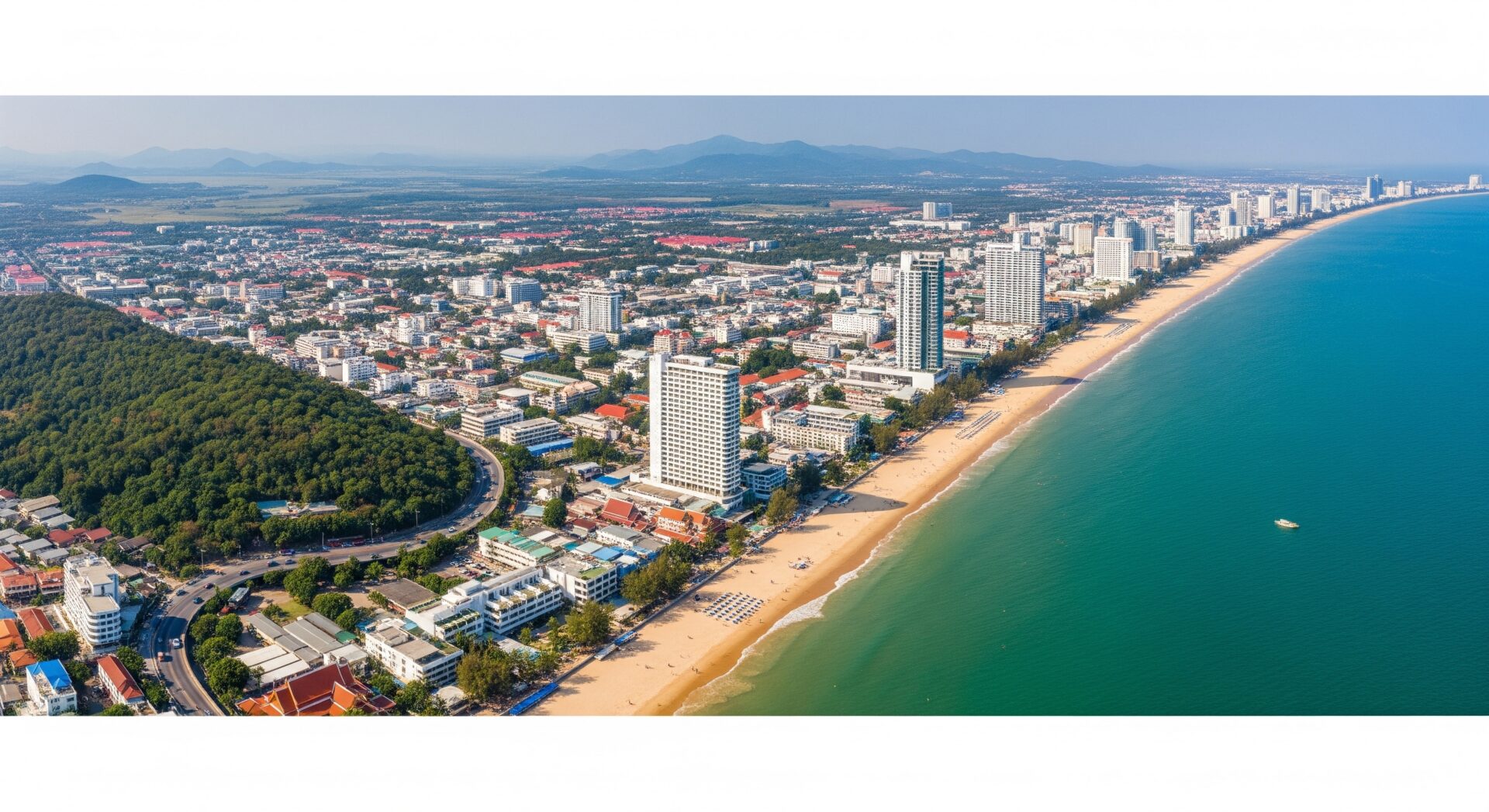


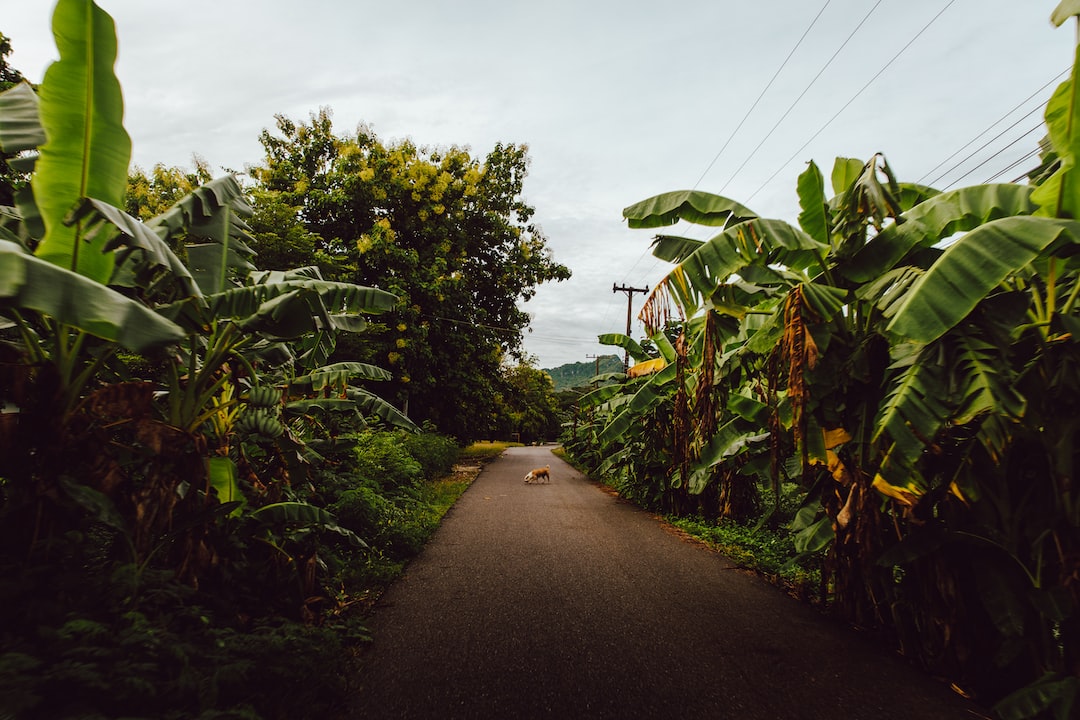

Kanchanaburi is a province located in western Thailand, about 130 kilometers west of Bangkok. It is known for its rich history, natural beauty, and cultural heritage. The province is bordered by Myanmar to the west and is situated along the banks of the Kwai Yai and Kwai Noi rivers.
Kanchanaburi has a significant historical background, particularly during World War II when it was occupied by the Japanese army. The province is famous for its connection to the Death Railway and the Bridge over the River Kwai, both of which were built by Allied prisoners of war under harsh conditions. Today, these landmarks serve as reminders of the sacrifices made during that time.
In addition to its historical significance, Kanchanaburi is also home to a vibrant culture. The province is known for its traditional festivals, such as the Bridge on the River Kwai Festival, which celebrates the construction of the iconic bridge. Visitors can also explore ancient temples and shrines that showcase the region’s spiritual heritage.
Discovering the Natural Wonders of Kanchanaburi: Exploring its National Parks and Waterfalls
Kanchanaburi is blessed with an abundance of natural beauty, including national parks and waterfalls that are worth exploring. One of the most popular national parks in the province is Erawan National Park, named after the mythical three-headed elephant from Hindu mythology. The park is home to the stunning Erawan Waterfall, a seven-tiered cascade that offers visitors a chance to swim in its emerald-green pools.
Another must-visit national park in Kanchanaburi is Sai Yok National Park. This park is known for its diverse wildlife and picturesque landscapes. Visitors can take a boat ride along the Kwai Noi River to see Sai Yok Yai Waterfall, a magnificent waterfall that flows into the river.
For those seeking a more secluded and off-the-beaten-path experience, Huay Mae Khamin Waterfall is a hidden gem. Located in Khuean Srinagarindra National Park, this waterfall is known for its turquoise-colored water and lush surroundings. It is a perfect spot for nature lovers and photographers.
In addition to these national parks and waterfalls, Kanchanaburi offers other natural attractions such as caves, hot springs, and wildlife sanctuaries. Visitors can explore Tham Than Lot Cave, soak in the natural hot springs at Hin Dat, or visit the Chaloem Rattanakosin National Park to see rare bird species.
The Bridge over the River Kwai: A Historical Landmark and Iconic Tourist Destination
The Bridge over the River Kwai is perhaps one of the most famous landmarks in Kanchanaburi. It was built during World War II as part of the Death Railway, which connected Thailand to Myanmar. The bridge gained international fame through the novel and subsequent film adaptation, “The Bridge on the River Kwai.”
The history of the bridge is both fascinating and tragic. It was constructed by Allied prisoners of war under brutal conditions, resulting in the loss of thousands of lives. Today, visitors can walk across the bridge and learn about its history at the nearby JEATH War Museum.
Around the bridge, there are several attractions that offer insight into the region’s history. The Kanchanaburi War Cemetery is a solemn memorial to those who lost their lives during the construction of the Death Railway. The Thailand-Burma Railway Centre is a museum that provides a comprehensive overview of the railway’s history.
Every year in November, Kanchanaburi holds the Bridge on the River Kwai Festival to commemorate the construction of the bridge. The festival features cultural performances, historical reenactments, and a spectacular light and sound show. It is a unique opportunity to experience the province’s history and culture.
The Death Railway: A Journey Through the Dark History of Kanchanaburi
The Death Railway, also known as the Burma Railway, was built by the Japanese army during World War II to connect Thailand to Myanmar. It was constructed using forced labor, including Allied prisoners of war and Asian laborers, under inhumane conditions.
The railway stretches for 415 kilometers, passing through rugged terrain and dense jungles. Along the route, there are several attractions that offer a glimpse into the dark history of the railway. The Tham Krasae Bridge is a wooden viaduct that offers panoramic views of the surrounding area. The Hellfire Pass Cutting is a section of the railway where prisoners of war had to cut through solid rock using only hand tools.
One of the most poignant attractions along the Death Railway is the Hellfire Pass Memorial Museum. Located at the site of the original cutting, the museum tells the story of those who suffered and died during its construction. Visitors can explore interactive exhibits, watch documentaries, and pay their respects at the memorial.
Exploring the Ancient Temples and Shrines of Kanchanaburi: A Spiritual Journey
Kanchanaburi is home to several ancient temples and shrines that offer visitors a chance to immerse themselves in Thai spirituality and culture. One of the most famous temples in the province is Wat Tham Sua, also known as the Tiger Cave Temple. Located on a hillside, this temple offers panoramic views of Kanchanaburi and houses a large golden Buddha statue.
Another notable temple is Wat Ban Tham, which is known for its intricate cave paintings and statues. Visitors can explore the caves and admire the beautiful artwork that depicts scenes from Buddhist mythology.
For those seeking a more tranquil experience, Wat Tham Khao Noi is a peaceful temple located on a hilltop. It offers stunning views of the surrounding countryside and is a popular spot for meditation and contemplation.
In addition to these temples, Kanchanaburi is home to many other religious sites, including Wat Tham Mangkon Thong, Wat Tham Khao Pun, and Wat Pa Luangta Bua Yannasampanno. Each temple offers a unique experience and a chance to learn about Thai Buddhism.
The Floating Markets of Kanchanaburi: A Culinary Adventure

No visit to Kanchanaburi would be complete without experiencing its floating markets. These markets are a vibrant part of the local culture and offer visitors a chance to sample delicious Thai food and buy unique souvenirs.
One of the most popular floating markets in Kanchanaburi is the Amphawa Floating Market. Located along the canal, this market comes alive in the late afternoon and evening. Visitors can take a boat ride along the canal, browse through the stalls selling local products, and enjoy freshly cooked seafood.
Another floating market worth visiting is the Tha Kha Floating Market. This market is smaller and less crowded than Amphawa, offering a more authentic experience. Visitors can try local delicacies such as grilled river prawns, coconut pancakes, and traditional Thai desserts.
In addition to these two main floating markets, there are several smaller markets scattered throughout Kanchanaburi. These markets offer a variety of food and products, including fresh fruits, vegetables, handicrafts, and clothing.
Adventure Tourism in Kanchanaburi: Rafting, Trekking, and More
Kanchanaburi is a paradise for adventure enthusiasts. The province offers a wide range of activities that allow visitors to explore its natural beauty and rugged landscapes.
One of the most popular adventure activities in Kanchanaburi is river rafting. The Kwai Yai River offers thrilling rapids and stunning scenery, making it an ideal location for rafting. Visitors can choose from a variety of rafting trips, ranging from gentle floats to adrenaline-pumping rapids.
For those who prefer to stay on land, jungle trekking is a great option. Kanchanaburi is home to several national parks and wildlife sanctuaries that offer trekking trails of varying difficulty. Visitors can hike through dense jungles, spot wildlife, and discover hidden waterfalls.
Elephant sanctuaries are also popular in Kanchanaburi, offering visitors a chance to interact with these majestic creatures in an ethical and responsible way. Visitors can feed, bathe, and even ride elephants while learning about their conservation.
Other adventure activities in Kanchanaburi include zip-lining, mountain biking, and rock climbing. The province’s diverse landscapes provide endless opportunities for outdoor exploration and adrenaline-pumping experiences.
The Erawan Museum: A Fascinating Look at Thai Mythology and Culture
The Erawan Museum is a unique attraction in Kanchanaburi that offers visitors a fascinating look at Thai mythology and culture. The museum is housed in a giant three-headed elephant statue, which is an iconic landmark in the province.
Inside the museum, visitors can explore three floors that showcase a vast collection of artifacts and artworks. The first floor focuses on the underworld and features intricate sculptures and paintings depicting scenes from Buddhist and Hindu mythology.
The second floor represents the human world and displays a wide range of antiques, religious artifacts, and traditional Thai crafts. Visitors can learn about Thai history, art, and culture through interactive exhibits and informative displays.
The third floor represents the heavens and houses a stunning collection of Buddhist relics and sacred objects. The highlight of this floor is the crystal pagoda, which is adorned with thousands of precious gemstones.
The Erawan Museum is not only a cultural attraction but also a spiritual one. Visitors can participate in meditation sessions, make offerings at the shrine, and seek blessings from the resident monks. It is a truly unique experience that offers a deeper understanding of Thai mythology and culture.
The Hellfire Pass Memorial Museum: Honoring the Sacrifices of Allied Prisoners of War
The Hellfire Pass Memorial Museum is a poignant tribute to the Allied prisoners of war who suffered and died during the construction of the Death Railway. The museum is located at Hellfire Pass, a section of the railway where prisoners had to cut through solid rock using only hand tools.
The museum tells the story of those who worked on the railway through interactive exhibits, photographs, and personal accounts. Visitors can learn about the harsh conditions, the brutal treatment of prisoners, and the sacrifices made by those involved in its construction.
One of the highlights of the museum is the walking trail that follows the original railway cutting. Visitors can walk along the trail, which is lined with informative signs and audio guides that provide insight into the history of Hellfire Pass.
At the end of the trail, there is a memorial that honors those who lost their lives during the construction of the railway. Visitors can pay their respects and reflect on the sacrifices made by these brave men.
The Hellfire Pass Memorial Museum is not only a historical attraction but also an educational one. It serves as a reminder of the atrocities committed during World War II and promotes peace and understanding among nations.
Exploring the Local Communities of Kanchanaburi: A Cultural Immersion Experience
One of the best ways to experience Kanchanaburi’s culture is by exploring its local communities. The province is home to several villages and communities that offer visitors a chance to immerse themselves in traditional Thai life.
Homestays are a popular option for those seeking an authentic cultural experience. Visitors can stay with local families and learn about their daily routines, traditions, and customs. They can participate in activities such as cooking traditional Thai dishes, farming, and handicraft making.
In addition to homestays, visitors can also visit local markets and shops to buy traditional crafts and products. Kanchanaburi is known for its handmade textiles, wood carvings, and bamboo products. By supporting local artisans, visitors can contribute to the preservation of traditional crafts and help sustain the local economy.
Traditional festivals are another way to experience the local culture in Kanchanaburi. These festivals are celebrated throughout the year and offer a glimpse into the region’s traditions and customs. Visitors can witness colorful parades, traditional dances, and music performances.
Conclusion: Kanchanaburi offers a diverse range of attractions and experiences for travelers seeking history, culture, nature, and adventure. From the iconic Bridge over the River Kwai to the tranquil waterfalls and ancient temples, there is something for everyone in this fascinating province. Whether you’re interested in exploring its natural wonders, delving into its dark history, or immersing yourself in its vibrant culture, Kanchanaburi has it all. It is a destination that will leave a lasting impression and create memories that will be cherished for a lifetime.
FAQs
What is Kanchanaburi?
Kanchanaburi is a province in western Thailand, located about 130 kilometers west of Bangkok. It is known for its natural beauty, historical landmarks, and cultural attractions.
What are some popular tourist attractions in Kanchanaburi?
Some popular tourist attractions in Kanchanaburi include the Bridge over the River Kwai, Erawan National Park, Hellfire Pass Memorial Museum, and the Death Railway.
What is the Bridge over the River Kwai?
The Bridge over the River Kwai is a famous railway bridge that was built by prisoners of war during World War II. It spans the River Kwai and is located in Kanchanaburi.
What is Erawan National Park?
Erawan National Park is a nature reserve in Kanchanaburi that is known for its beautiful waterfalls and hiking trails. The park is home to the seven-tiered Erawan Falls, which is a popular attraction for tourists.
What is the Death Railway?
The Death Railway is a railway line that was built by prisoners of war during World War II. It runs from Thailand to Burma and is known for its difficult construction and high death toll among workers.
What is Hellfire Pass Memorial Museum?
Hellfire Pass Memorial Museum is a museum in Kanchanaburi that is dedicated to the history of the Death Railway. It is located at the site of the Hellfire Pass, which was a particularly difficult section of the railway to build.