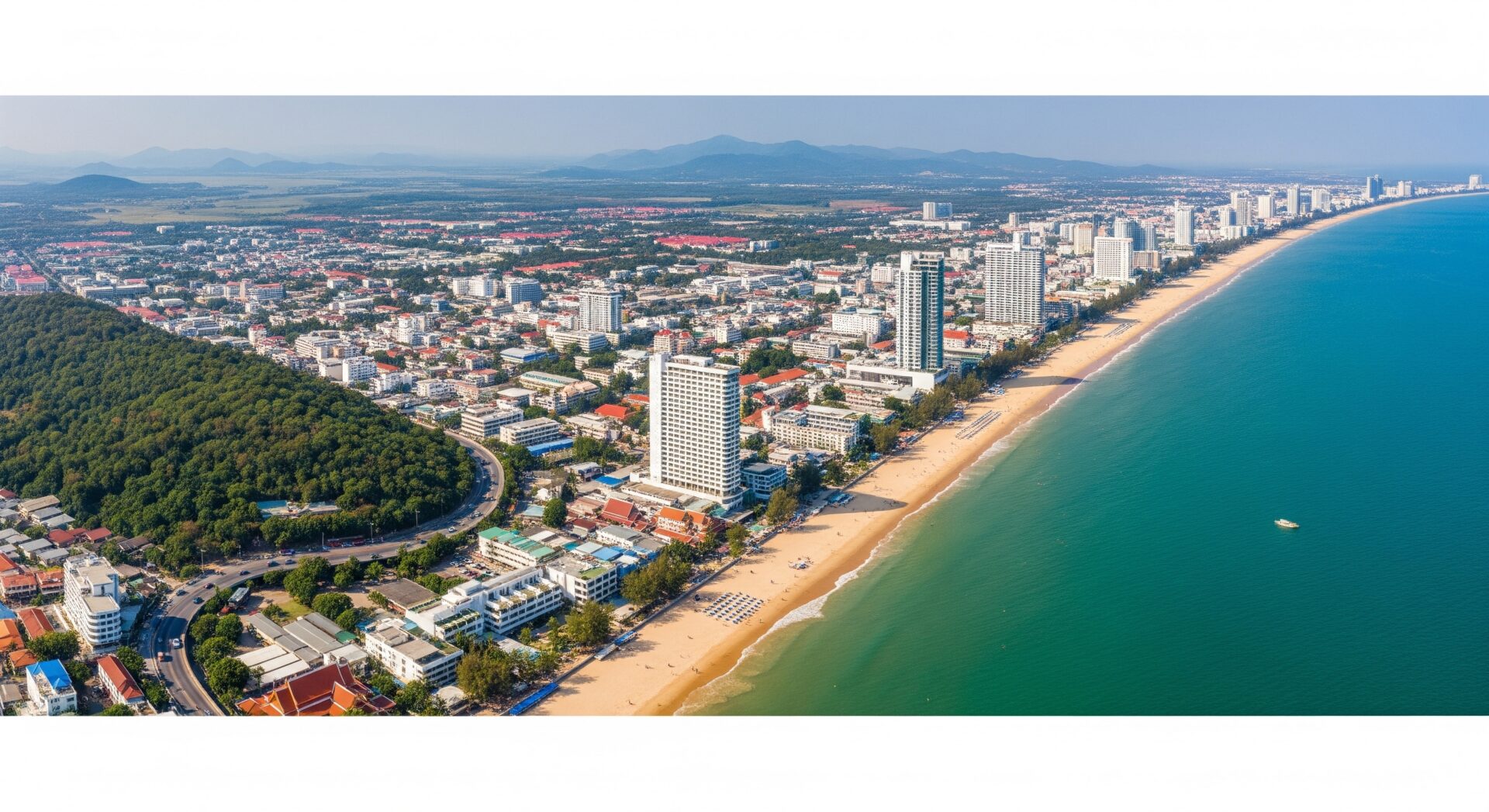


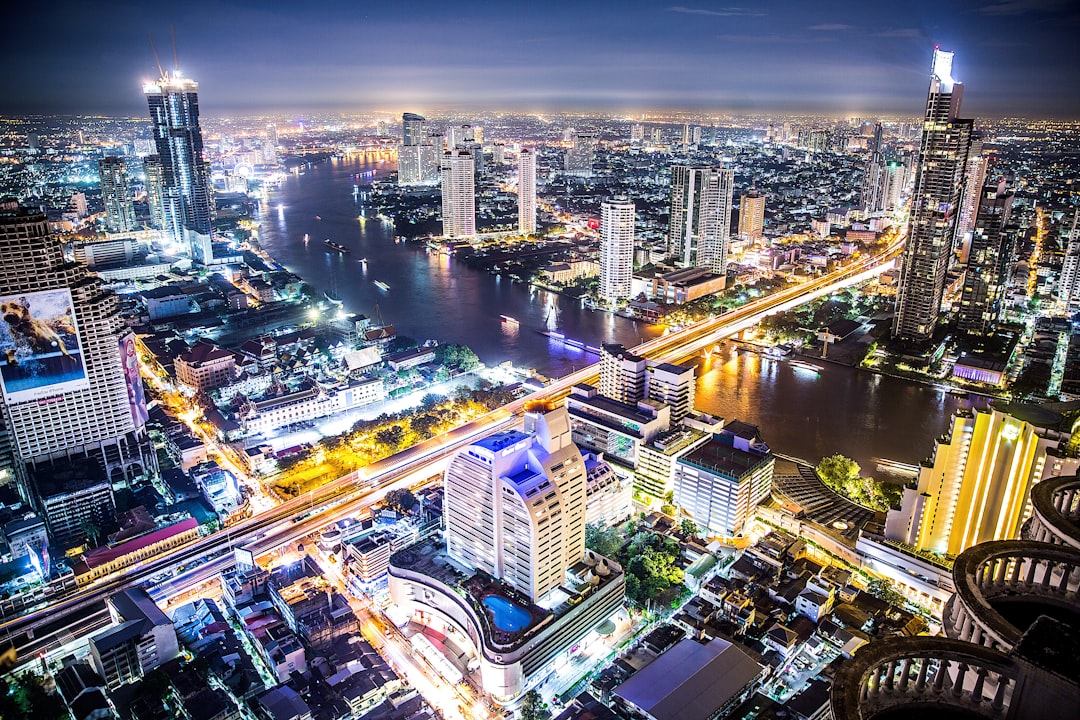
Thailand has become an increasingly popular destination for foreigners looking to live abroad. With its beautiful beaches, rich culture, and affordable cost of living, it’s no wonder that many people are choosing to make Thailand their new home. However, before making the move, it is important to have a clear understanding of the expenses involved in living in Thailand. This article will provide a comprehensive overview of the cost of living in Thailand for foreigners, covering accommodation expenses, food and grocery expenses, transportation costs, healthcare expenses, utility costs, entertainment costs, education and childcare expenses, and taxes and other financial obligations.
Accommodation expenses in Thailand for foreigners
When it comes to accommodation in Thailand, there are various options available for foreigners. These include apartments, condominiums, houses, and even serviced apartments. The rental prices vary depending on the location and type of accommodation. In popular tourist areas such as Bangkok or Phuket, the rental prices tend to be higher compared to smaller cities or rural areas.
On average, a one-bedroom apartment in Bangkok can cost around 15,000 to 25,000 Thai Baht per month (approximately $500 to $800). In smaller cities or rural areas, the rental prices can be significantly lower, ranging from 5,000 to 15,000 Thai Baht per month (approximately $160 to $500). It is important to note that these prices are just estimates and can vary depending on factors such as location, size of the property, and amenities.
In addition to the monthly rent, there are also additional costs to consider when renting a property in Thailand. These include security deposits (usually equivalent to two months’ rent), utility bills (electricity and water), internet and cable TV subscriptions, and maintenance fees (for condominiums). It is important to factor in these additional costs when budgeting for accommodation expenses in Thailand.
Food and grocery expenses for foreigners in Thailand
Thailand is known for its delicious and affordable street food, making it a popular destination for food lovers. Eating out in Thailand can be quite inexpensive, with a meal from a street vendor costing as little as 30 to 50 Thai Baht (approximately $1 to $2). If you prefer dining at restaurants, the prices can range from 100 to 300 Thai Baht (approximately $3 to $10) per meal, depending on the type of cuisine and location.
When it comes to grocery expenses, the cost of living in Thailand can vary depending on your dietary preferences and shopping habits. On average, a week’s worth of groceries for a single person can cost around 1,500 to 2,500 Thai Baht (approximately $50 to $80). This includes basic items such as fruits, vegetables, meat, dairy products, and pantry staples. It is worth noting that imported or specialty items tend to be more expensive in Thailand.
To save money on food expenses, it is recommended to shop at local markets or supermarkets rather than convenience stores. Local markets offer fresh produce at lower prices, while supermarkets often have promotions and discounts on certain items. Additionally, cooking at home can also help save money compared to eating out every day.
Transportation costs for foreigners in Thailand
Thailand has a well-developed public transportation system that is both affordable and convenient. The most common modes of public transportation in Thailand include buses, trains, and taxis. The cost of using public transportation varies depending on the distance traveled and the mode of transport.
For example, a bus ride within the city can cost as little as 10 Thai Baht (approximately $0.30), while a taxi ride can range from 35 to 100 Thai Baht (approximately $1 to $3), depending on the distance traveled and traffic conditions. Trains are also a popular mode of transportation, especially for longer distances. The cost of a train ticket can vary depending on the class and type of train, but it is generally affordable.
If you prefer to own a car or motorbike in Thailand, it is important to consider the associated costs. This includes the purchase price of the vehicle, insurance, fuel, maintenance, and parking fees. Owning a car or motorbike can be more expensive compared to using public transportation, but it offers more flexibility and convenience, especially if you plan on traveling frequently or living in a rural area.
To save money on transportation expenses, it is recommended to use public transportation whenever possible. Additionally, carpooling or sharing rides with friends or colleagues can help reduce fuel costs and parking fees. It is also worth considering alternative modes of transportation such as bicycles or motorcycles for shorter distances.
Healthcare expenses for foreigners living in Thailand
Thailand has a well-regarded healthcare system that is accessible to both locals and foreigners. The cost of medical treatments and procedures in Thailand can vary depending on the type of treatment, the hospital or clinic, and whether you have health insurance.
On average, a consultation with a general practitioner can cost around 500 to 1,000 Thai Baht (approximately $15 to $30), while specialist consultations can range from 1,000 to 3,000 Thai Baht (approximately $30 to $100). The cost of medications can also vary depending on the type and brand.
It is highly recommended for foreigners living in Thailand to have health insurance. This will help cover the costs of medical treatments and procedures, as well as provide access to quality healthcare facilities. There are various health insurance options available for foreigners in Thailand, including international health insurance plans and local health insurance plans.
Utility costs for foreigners in Thailand

The average monthly utility bills for foreigners in Thailand can vary depending on factors such as location, size of the property, and usage. On average, the monthly utility bills for a one-bedroom apartment can range from 1,000 to 2,000 Thai Baht (approximately $30 to $60). This includes electricity, water, and internet.
To save money on utility expenses, it is recommended to be mindful of your energy consumption. This includes turning off lights and appliances when not in use, using energy-efficient light bulbs, and using air conditioning sparingly. Additionally, comparing different internet service providers can help you find the best deal for your needs.
Entertainment costs for foreigners in Thailand
Thailand offers a wide range of entertainment options for foreigners, including shopping malls, cinemas, restaurants, bars, and nightclubs. The cost of entertainment in Thailand can vary depending on your preferences and lifestyle.
For example, a movie ticket can cost around 100 to 300 Thai Baht (approximately $3 to $10), while a meal at a mid-range restaurant can range from 200 to 500 Thai Baht (approximately $6 to $15) per person. If you enjoy going out for drinks or partying, the prices can vary depending on the venue and the type of drinks.
To enjoy entertainment while staying within a budget, it is recommended to look for promotions or discounts. Many restaurants and bars offer happy hour deals or special discounts on certain days of the week. Additionally, exploring local markets or street food stalls can provide a unique and affordable dining experience.
Education and childcare expenses for foreigners in Thailand
For foreigners with children, education and childcare expenses are an important consideration when living in Thailand. The cost of international schools in Thailand can vary depending on factors such as location, curriculum, and facilities. On average, the annual tuition fees for international schools in Thailand can range from 300,000 to 1 million Thai Baht (approximately $9,000 to $30,000).
If you are looking for more affordable childcare options, there are also local daycare centers and preschools available in Thailand. The cost of daycare or preschool can vary depending on factors such as location, facilities, and services provided. On average, the monthly fees for daycare or preschool can range from 5,000 to 15,000 Thai Baht (approximately $160 to $500).
Taxes and other financial obligations for foreigners in Thailand
As a foreigner living in Thailand, it is important to understand the tax and other financial obligations. Thailand has a progressive income tax system, with tax rates ranging from 5% to 35% depending on your income level. Additionally, foreigners are required to obtain a work permit and pay social security contributions.
It is recommended to consult with a tax professional or seek advice from the local authorities to ensure compliance with the tax and other financial obligations in Thailand. This will help avoid any legal or financial issues in the future.
Tips for managing the cost of living in Thailand as a foreigner
Managing the cost of living in Thailand as a foreigner requires careful budgeting and planning. Here are some tips to help you save money and make the most of your finances:
1. Create a budget: Start by creating a monthly budget that includes all your income and expenses. This will help you track your spending and identify areas where you can cut back.
2. Cook at home: Eating out can be expensive, so try to cook at home as much as possible. This will not only save you money but also allow you to explore local ingredients and flavors.
3. Use public transportation: Public transportation in Thailand is affordable and convenient. Use buses, trains, or taxis instead of owning a car or motorbike to save money on transportation expenses.
4. Shop at local markets: Local markets offer fresh produce at lower prices compared to supermarkets or convenience stores. Take advantage of the affordable prices and support local vendors.
5. Compare prices: Before making a purchase, compare prices from different stores or vendors. This will help you find the best deal and save money.
6. Plan for unexpected expenses: It is important to have an emergency fund to cover unexpected expenses such as medical bills or home repairs. Set aside a portion of your income each month for emergencies.
Moving to Thailand can be an exciting and rewarding experience, but it is important to be financially prepared. Understanding the cost of living in Thailand for foreigners is crucial for budgeting and planning your expenses. From accommodation expenses to healthcare costs, transportation expenses to entertainment costs, education and childcare expenses to taxes and other financial obligations, there are various factors to consider when living in Thailand. By following the tips provided in this article and being mindful of your spending, you can enjoy all that Thailand has to offer while staying within your budget.