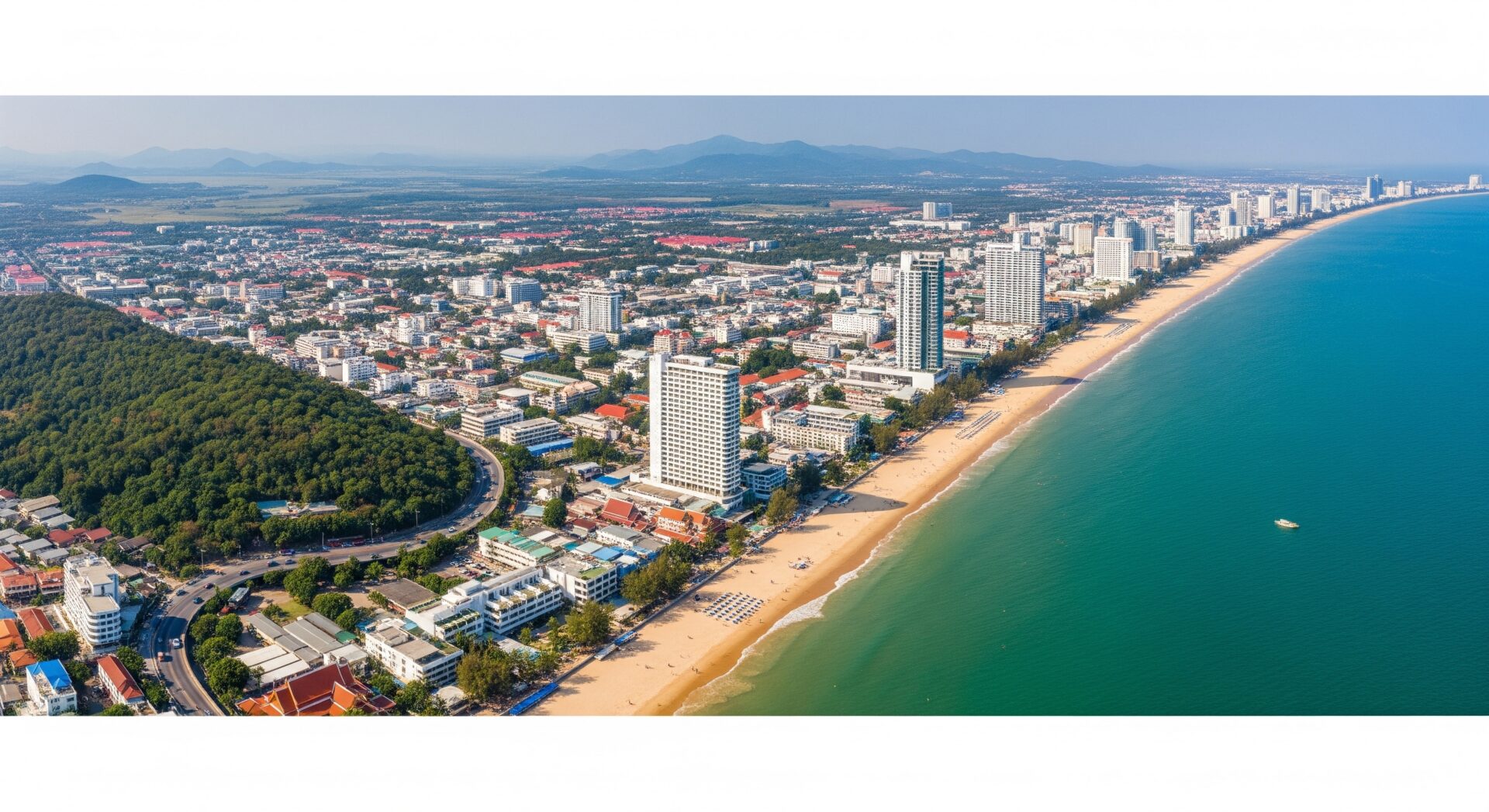


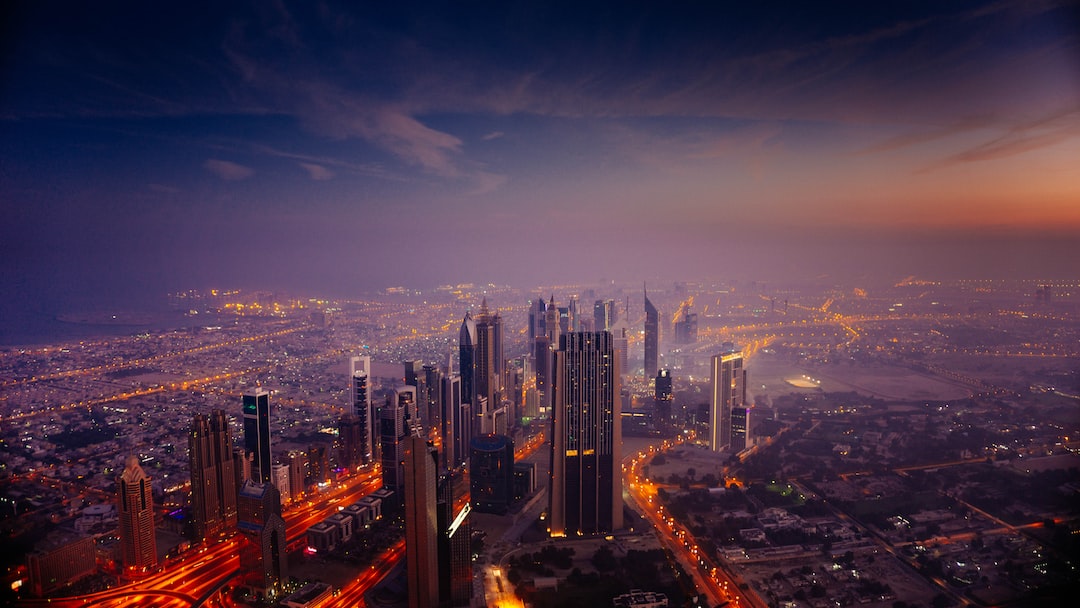
Bangkok, the capital city of Thailand, is a vibrant and bustling metropolis that attracts millions of tourists each year. Known for its rich history, vibrant culture, and stunning attractions, Bangkok offers a unique blend of old-world charm and modernity. From exploring the city’s ancient temples and palaces to indulging in its delicious street food and shopping in its bustling markets, there is something for everyone in this captivating city. In this article, we will delve into the history and culture of Bangkok, explore its top tourist attractions, guide you through the bustling streets and markets, and introduce you to the city’s hidden gems.
The History and Culture of Krung Thep Maha Nakhon: A Brief Overview
Bangkok, also known as Krung Thep Maha Nakhon in Thai, has a rich history that dates back to the 15th century. Originally a small trading post during the Ayutthaya Kingdom, Bangkok grew in importance when it was chosen as the capital city of Thailand in 1782 by King Rama
Since then, it has played a significant role in the country’s political, economic, and cultural development.
The culture of Bangkok is deeply rooted in Thai traditions and customs. Buddhism is the predominant religion in Thailand, and you can see its influence throughout the city with numerous temples and shrines scattered across its landscape. Thai people are known for their warm hospitality and friendly nature, making visitors feel welcome wherever they go. The city is also famous for its vibrant festivals such as Songkran (Thai New Year) and Loy Krathong (Festival of Lights), where locals and tourists come together to celebrate with music, dance, and traditional rituals.
Top Tourist Attractions in Bangkok: Must-Visit Places for First-Time Visitors
Bangkok is home to a plethora of tourist attractions that cater to all interests. One of the most iconic landmarks in the city is the Wat Arun, also known as the Temple of Dawn. This stunning temple is located on the banks of the Chao Phraya River and is known for its intricate architecture and breathtaking views of the city. Another must-visit attraction is the Wat Pho, home to the famous Reclining Buddha statue. This temple complex is one of the oldest and largest in Bangkok and is renowned for its traditional Thai massage school.
For history enthusiasts, a visit to the Bangkok National Museum is a must. This museum houses an extensive collection of artifacts and artworks that showcase Thailand’s rich history and cultural heritage. The Grand Palace, once the official residence of the Kings of Siam, is another must-visit attraction. This opulent complex is a masterpiece of Thai architecture and is home to the revered Emerald Buddha.
Exploring the Bustling Streets of Bangkok: A Guide to the Best Shopping and Street Food
One of the highlights of visiting Bangkok is exploring its bustling streets and markets. The city is a shopper’s paradise, offering everything from high-end luxury brands to affordable street fashion. For a unique shopping experience, head to Chatuchak Weekend Market, one of the largest markets in the world. Here, you can find everything from clothing and accessories to home decor and antiques.
When it comes to street food, Bangkok is famous for its mouthwatering dishes that are bursting with flavors. From Pad Thai and Tom Yum Goong to Mango Sticky Rice and Thai Iced Tea, there is no shortage of delicious options to satisfy your taste buds. Some popular street food areas include Chinatown, where you can find a wide variety of Chinese-inspired dishes, and Khao San Road, known for its vibrant nightlife scene and street food stalls.
The Grand Palace: A Majestic Landmark of Bangkok’s Royal Legacy
The Grand Palace is one of Bangkok’s most iconic landmarks and a must-visit for any traveler. Built in 1782, it served as the official residence of the Kings of Siam until 1925. The palace complex is a masterpiece of Thai architecture, with its intricate details and vibrant colors. The highlight of the Grand Palace is the Temple of the Emerald Buddha, also known as Wat Phra Kaew, which houses the revered Emerald Buddha statue.
The architecture of the Grand Palace is a blend of Thai, Chinese, and European influences, reflecting the country’s rich cultural heritage. The palace complex is divided into several sections, each with its own unique attractions. One of the most impressive structures within the palace is the Phra Thinang Chakri Maha Prasat, which serves as the throne hall for important royal ceremonies. The Grand Palace is not only a testament to Bangkok’s royal legacy but also a symbol of Thailand’s rich history and culture.
Wat Phra Kaew: The Temple of the Emerald Buddha and its Mythical Legends
Located within the Grand Palace complex, Wat Phra Kaew is one of Bangkok’s most sacred temples. It is home to the Emerald Buddha, a highly revered statue that is considered the protector of Thailand. The temple’s architecture is a stunning example of Thai craftsmanship, with intricate details and vibrant colors adorning its walls and roofs.
According to legend, the Emerald Buddha was discovered in Chiang Rai in 1434 and has since been moved to various locations before finding its permanent home in Wat Phra Kaew. The statue is made from a single piece of jade and is dressed in gold robes that are changed three times a year by the King himself to correspond with the changing seasons.
Visitors to Wat Phra Kaew can marvel at the beauty of the temple’s architecture and pay their respects to the Emerald Buddha. It is important to note that proper attire is required when visiting temples in Thailand, with shoulders and knees covered out of respect for the sacredness of the place.
The Floating Markets of Bangkok: A Unique Shopping Experience on the Water
One of the most unique experiences in Bangkok is visiting its floating markets. These markets are located on the canals and rivers of the city and offer a glimpse into traditional Thai life. The floating markets were once the main form of commerce in Bangkok, with vendors selling their goods from boats.
Today, while many of the floating markets have become tourist attractions, they still retain their charm and offer a unique shopping experience. Some of the most popular floating markets in Bangkok include Damnoen Saduak Floating Market, Amphawa Floating Market, and Taling Chan Floating Market.
At these markets, you can find a wide variety of goods, including fresh fruits and vegetables, local handicrafts, and delicious street food. Exploring the floating markets is not only a great way to shop but also an opportunity to immerse yourself in the local culture and witness traditional Thai life.
The Nightlife Scene in Bangkok: A Guide to the Best Bars and Clubs
Bangkok’s nightlife scene is legendary, with a wide variety of bars, clubs, and entertainment venues to choose from. Whether you’re looking for a laid-back rooftop bar with stunning views of the city or a vibrant nightclub where you can dance the night away, Bangkok has it all.
One of the most popular areas for nightlife in Bangkok is Sukhumvit Road, which is lined with bars, clubs, and restaurants. Here, you can find everything from trendy rooftop bars like Above Eleven to underground clubs like Beam. Another popular area is Silom Road, known for its gay-friendly bars and clubs.
For a unique nightlife experience, head to Khao San Road, which is famous for its backpacker scene and vibrant street parties. Here, you can find cheap drinks, live music, and a lively atmosphere that lasts well into the night.
Traditional Thai Massage: Relax and Rejuvenate in Bangkok’s Best Spas
No trip to Bangkok is complete without indulging in a traditional Thai massage. Thai massage is a unique form of bodywork that combines acupressure, stretching, and deep tissue massage techniques. It is believed to promote relaxation, relieve muscle tension, and improve overall well-being.
Bangkok is home to some of the best spas in the world, offering a wide range of massage and wellness treatments. From luxurious spa resorts to affordable massage parlors, there is something for every budget and preference.
Some popular spa destinations in Bangkok include the Oasis Spa, which offers a tranquil oasis in the heart of the city, and the Wat Pho Thai Traditional Massage School, where you can experience an authentic Thai massage from trained professionals.
Exploring Bangkok’s Hidden Gems: Off-the-Beaten-Path Places to Discover
While Bangkok is known for its popular tourist attractions, the city also has a wealth of hidden gems waiting to be discovered. These off-the-beaten-path places offer a unique glimpse into the local culture and provide a break from the crowds.
One such hidden gem is the Jim Thompson House, a museum dedicated to the American businessman who revitalized the Thai silk industry. The museum showcases Thompson’s collection of Southeast Asian art and antiques and offers guided tours of his former residence.
Another hidden gem is the Erawan Museum, located just outside of Bangkok. This museum is home to a stunning three-headed elephant statue that symbolizes Hindu mythology. Inside the museum, you can explore various exhibits that showcase Thai art and culture.
For nature lovers, a visit to Bang Krachao, also known as Bangkok’s “Green Lung,” is a must. This lush oasis is located just across the Chao Phraya River and offers a peaceful escape from the city’s hustle and bustle. Here, you can explore the mangrove forests, ride bicycles along the elevated pathways, and visit local markets.
Getting Around Bangkok: A Guide to Transportation Options in the City
Getting around Bangkok is relatively easy, thanks to its efficient transportation system. The city offers a variety of options, including taxis, tuk-tuks, buses, and the BTS Skytrain and MRT subway systems.
Taxis are a convenient way to get around the city, but it’s important to ensure that the meter is used or negotiate a fare before getting in. Tuk-tuks are a fun and iconic mode of transportation in Bangkok, but be prepared to negotiate the price with the driver.
The BTS Skytrain and MRT subway systems are the most efficient ways to navigate the city, especially during peak hours when traffic can be heavy. These systems cover most of the major tourist areas and offer a convenient way to travel around Bangkok.
Bangkok is a city that offers a wealth of history, culture, and attractions for visitors to explore. From its ancient temples and palaces to its bustling markets and vibrant nightlife scene, there is something for everyone in this captivating city. Whether you’re interested in immersing yourself in Thai traditions and customs or indulging in delicious street food and shopping, Bangkok has it all. So pack your bags and get ready to embark on an unforgettable journey through the streets of Krung Thep Maha Nakhon.
FAQs
What is Bangkok?
Bangkok, also known as Krung Thep Maha Nakhon, is the capital city of Thailand.
What is the population of Bangkok?
As of 2021, the population of Bangkok is approximately 10.78 million people.
What is the official language of Bangkok?
The official language of Bangkok is Thai.
What is the currency used in Bangkok?
The currency used in Bangkok is the Thai baht.
What is the climate like in Bangkok?
Bangkok has a tropical monsoon climate, with hot and humid weather throughout the year. The average temperature is around 30°C (86°F).
What are some popular tourist attractions in Bangkok?
Some popular tourist attractions in Bangkok include the Grand Palace, Wat Phra Kaew (Temple of the Emerald Buddha), Wat Arun (Temple of Dawn), Chatuchak Weekend Market, and Khao San Road.
What is the transportation system like in Bangkok?
Bangkok has a variety of transportation options, including buses, taxis, tuk-tuks, and the BTS Skytrain and MRT subway systems.
What is the cuisine like in Bangkok?
Bangkok is known for its delicious street food, which includes dishes such as pad thai, green curry, and mango sticky rice. There are also many high-end restaurants serving a variety of international cuisines.