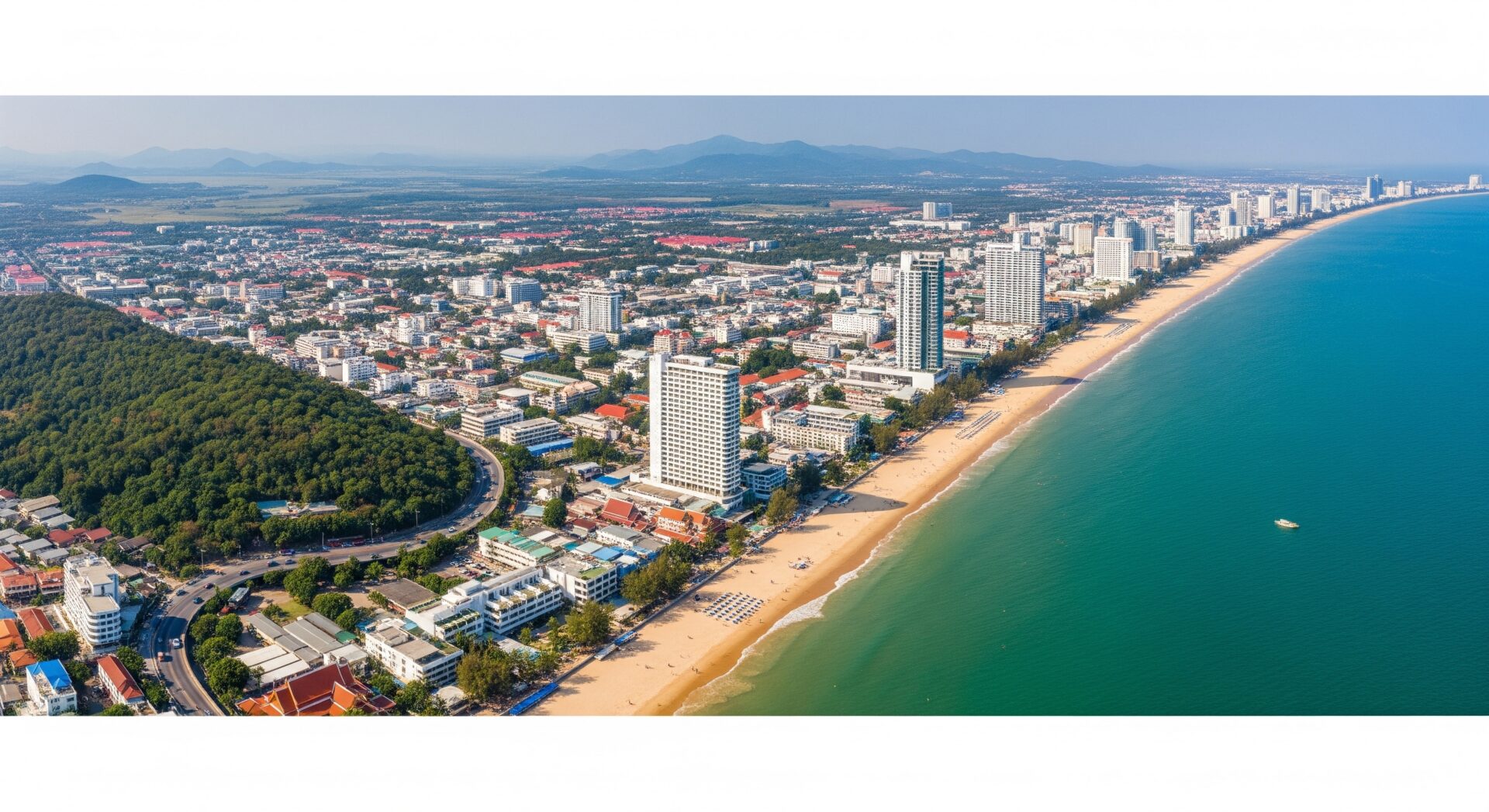



Thailand is characterized by a tropical climate with high temperatures and humidity year-round. The country experiences three distinct seasons: hot, rainy, and cool. The hot season occurs from March to June, with temperatures reaching up to 40°C (104°F) in some areas.
This period is marked by intense heat and humidity, which can be challenging for visitors unaccustomed to such conditions. The rainy season spans from July to October, bringing heavy rainfall and occasional flooding, particularly in southern regions. Despite the precipitation, rain typically occurs in short bursts, allowing for outdoor activities between showers.
The cool season, from November to February, is the most popular time for tourism in Thailand. During this period, temperatures range from 25°C to 30°C (77°F to 86°F), with lower humidity levels, providing more comfortable conditions for exploration. Climate variations exist across different regions of Thailand.
The northern part of the country, especially in mountainous areas, experiences cooler temperatures compared to central and southern regions. Southern regions, including popular tourist destinations like Phuket and Koh Samui, maintain more consistent temperatures throughout the year due to their proximity to the equator. Understanding Thailand’s weather patterns is crucial for travelers when planning their visit, as climate conditions can significantly impact the overall experience.
Consideration of these factors can help visitors make informed decisions about when and where to travel within the country, whether they prefer sunbathing on tropical beaches or exploring lush jungles and mountains.
Key Takeaways
- Thailand has a tropical climate with three distinct seasons: hot, rainy, and cool, with temperatures ranging from 24°C to 35°C.
- The peak tourist seasons in Thailand are during the cool season from November to February and the hot season from March to May.
- Thailand hosts a variety of festivals and events throughout the year, including Songkran (Thai New Year) in April and the Loy Krathong festival in November.
- Travelers can budget for accommodations, food, and transportation in Thailand, with options ranging from budget-friendly to luxury experiences.
- Thailand offers a wide range of activities and attractions, including beautiful beaches, historical temples, bustling markets, and vibrant nightlife.
- When visiting Thailand, it’s important to respect local customs and traditions, such as dressing modestly when visiting temples and removing shoes before entering someone’s home.
- To avoid crowds and make the most of a trip to Thailand, consider visiting popular attractions early in the morning or during the off-peak season, and exploring off-the-beaten-path destinations.
Peak Tourist Seasons in Thailand
Weather Conditions and Tourist Attractions
The cool season is particularly popular among tourists due to its pleasant temperatures and lower humidity, making it an ideal time to explore Thailand’s diverse landscapes and cultural attractions.
Challenges of Peak Tourist Seasons
However, the increase in tourist numbers during these periods also leads to higher prices for accommodations and activities, as well as larger crowds at popular tourist sites. The hot season sees a surge in tourist arrivals, as many travelers seek to escape the cold winter months in their home countries.
Planning and Flexibility
Travelers should be prepared for higher prices and larger crowds during these peak tourist seasons, but with careful planning and flexibility, it is still possible to have a memorable and enjoyable experience in Thailand.
Festivals and Events in Thailand
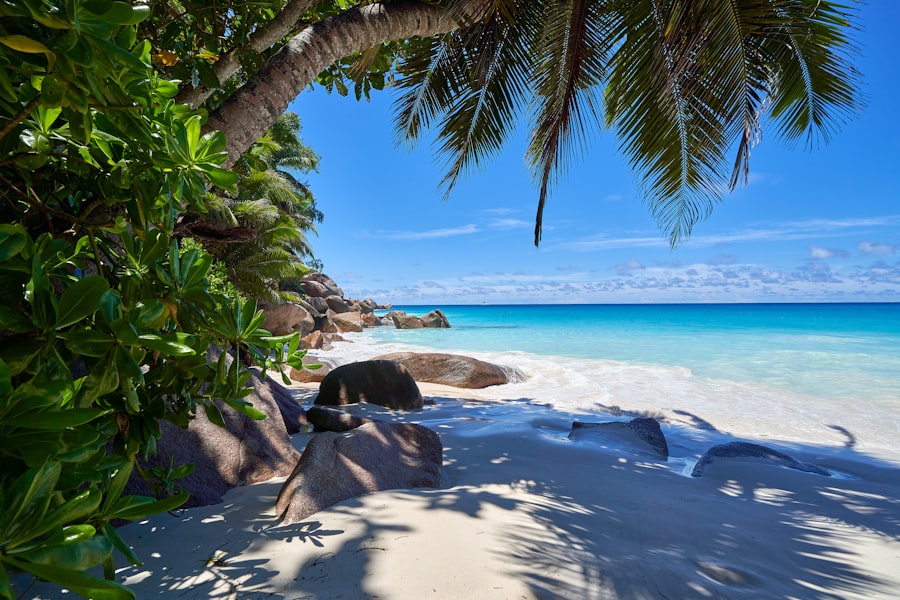
Thailand is renowned for its vibrant and colorful festivals, which showcase the country’s rich cultural heritage and traditions. One of the most famous festivals is Songkran, the Thai New Year, which takes place in mid-April. During this time, people engage in water fights and street parties to celebrate the arrival of the new year, making it a fun and lively experience for locals and tourists alike.
Another popular festival is Loy Krathong, held in November, where people release decorated baskets into rivers and lakes as a way of paying respect to the water spirits and seeking forgiveness for any pollution caused throughout the year. In addition to these traditional festivals, Thailand also hosts a variety of events that cater to different interests and passions. For example, the Full Moon Party on Koh Phangan is a world-renowned beach party that attracts thousands of revelers each month.
The Chiang Mai Flower Festival showcases stunning floral displays and parades, while the Phi Ta Khon festival in Loei features colorful masks and traditional dances. No matter when you visit Thailand, there is likely to be a festival or event happening somewhere in the country that will add an extra layer of excitement and cultural immersion to your trip.
Budget Considerations for Traveling to Thailand
| Expense Category | Average Cost |
|---|---|
| Accommodation | Low to High, depending on type |
| Food | Varies, street food to fine dining |
| Transportation | Public transport is affordable |
| Activities | Range of prices, from free to expensive tours |
| Visa Fees | Varies based on nationality |
Thailand is known for being a budget-friendly destination, offering a wide range of accommodations, dining options, and activities to suit every traveler’s budget. Backpackers and budget travelers can find affordable guesthouses, street food stalls, and local transportation options that allow them to experience Thailand without breaking the bank. On the other hand, luxury travelers can indulge in high-end resorts, fine dining restaurants, and exclusive experiences that cater to their desire for comfort and luxury.
When planning a trip to Thailand, it’s important to consider your budget and prioritize your spending based on your interests and preferences. While some activities and attractions may come with a higher price tag, there are plenty of free or low-cost experiences that allow you to immerse yourself in Thai culture and natural beauty without overspending. By researching and comparing prices for accommodations, transportation, and activities, travelers can make informed decisions that align with their budget while still enjoying everything that Thailand has to offer.
Activities and Attractions in Thailand
Thailand offers a diverse range of activities and attractions that cater to every type of traveler. From pristine beaches and lush jungles to bustling cities and ancient temples, there is no shortage of things to see and do in this captivating country. Beach lovers can relax on the white sands of Phuket or Koh Phi Phi, while adventure seekers can trek through the dense forests of Chiang Mai or go rock climbing in Railay Beach.
History enthusiasts can explore the ancient ruins of Ayutthaya or Sukhothai, while foodies can indulge in the vibrant street food scene in Bangkok or take a cooking class in Chiang Mai. In addition to natural beauty and cultural heritage, Thailand also offers unique wildlife experiences such as elephant sanctuaries and national parks where visitors can observe exotic animals in their natural habitats. Water sports enthusiasts can enjoy snorkeling, diving, and kayaking in the crystal-clear waters of the Andaman Sea or Gulf of Thailand.
Whether you’re seeking relaxation, adventure, or cultural immersion, Thailand has something for everyone.
Cultural Considerations for Visiting Thailand

Showing Respect in Thai Culture
One of the most important aspects of Thai culture is respect for others, including elders and those in positions of authority. It is customary to greet people with a wai (a slight bow with hands pressed together) as a sign of respect.
Dressing Modestly and Saving Face
Visitors should also dress modestly when visiting temples or other religious sites, covering their shoulders and knees out of respect for local customs. Another important aspect of Thai culture is the concept of “saving face,” which emphasizes avoiding confrontation or causing embarrassment in public situations. It’s important for visitors to be mindful of their words and actions in order to maintain harmony and show respect towards others.
Public Behavior and Etiquette
Additionally, public displays of affection are generally frowned upon in Thai culture, so travelers should be mindful of their behavior in public spaces. By familiarizing themselves with Thai customs and traditions before visiting the country, travelers can show respect towards the local culture and make meaningful connections with the people they encounter during their trip.
Tips for Avoiding Crowds and Getting the Most Out of Your Trip to Thailand
While Thailand is a popular tourist destination, there are ways to avoid crowds and make the most of your trip. One strategy is to visit popular attractions early in the morning or later in the afternoon when tour groups are less likely to be present. By arriving at popular sites before they become crowded, travelers can enjoy a more peaceful and immersive experience.
Another tip is to explore off-the-beaten-path destinations that are less frequented by tourists. This allows travelers to discover hidden gems and experience authentic Thai culture without being surrounded by large crowds. Additionally, visiting during shoulder seasons or less popular times of year can help travelers avoid peak tourist crowds while still enjoying favorable weather conditions.
Travelers can also seek out unique experiences such as homestays or community-based tourism initiatives that allow them to connect with local communities and gain insight into traditional ways of life. By engaging with local people and supporting sustainable tourism practices, travelers can make a positive impact while avoiding overcrowded tourist areas. In conclusion, Thailand offers a wealth of experiences for travelers seeking adventure, relaxation, cultural immersion, or a combination of all three.
By understanding the country’s weather patterns, peak tourist seasons, festivals and events, budget considerations, activities and attractions, cultural customs, and tips for avoiding crowds, visitors can plan a trip that aligns with their interests while making meaningful connections with this captivating destination. Whether you’re exploring ancient temples in Chiang Mai or lounging on a pristine beach in Koh Samui, Thailand has something for everyone to enjoy.
If you’re planning a trip to Thailand, you may want to consider visiting the vibrant capital city of Bangkok. This article provides insights into the wonders of Bangkok and the various attractions and experiences it has to offer. Whether you’re interested in exploring the city’s rich history, indulging in its delicious cuisine, or immersing yourself in its bustling street markets, Bangkok has something for everyone. Be sure to check out this article for more information on making the most of your visit to this incredible city.
FAQs
What is the best time to visit Thailand?
The best time to visit Thailand is during the cool and dry season, which typically runs from November to February. This is when the weather is most pleasant and comfortable for outdoor activities.
What is the weather like in Thailand during the best time to visit?
During the cool and dry season, the weather in Thailand is generally sunny with lower humidity and cooler temperatures. This makes it ideal for exploring the country’s beaches, cities, and cultural attractions.
Are there any specific events or festivals during the best time to visit Thailand?
Yes, the cool and dry season in Thailand coincides with several important festivals and events, including the famous Loy Krathong festival in November and the Thai New Year celebration, known as Songkran, in April.
Are there any areas of Thailand that are best to visit during the cool and dry season?
Popular tourist destinations such as Bangkok, Chiang Mai, Phuket, and Krabi are all great to visit during the cool and dry season. These areas offer a wide range of activities and attractions for visitors to enjoy.
What should I pack for a trip to Thailand during the best time to visit?
It’s recommended to pack lightweight and breathable clothing, as well as sunscreen, sunglasses, and a hat to protect against the sun. Comfortable walking shoes and swimwear are also essential for exploring Thailand’s beaches and outdoor attractions.