


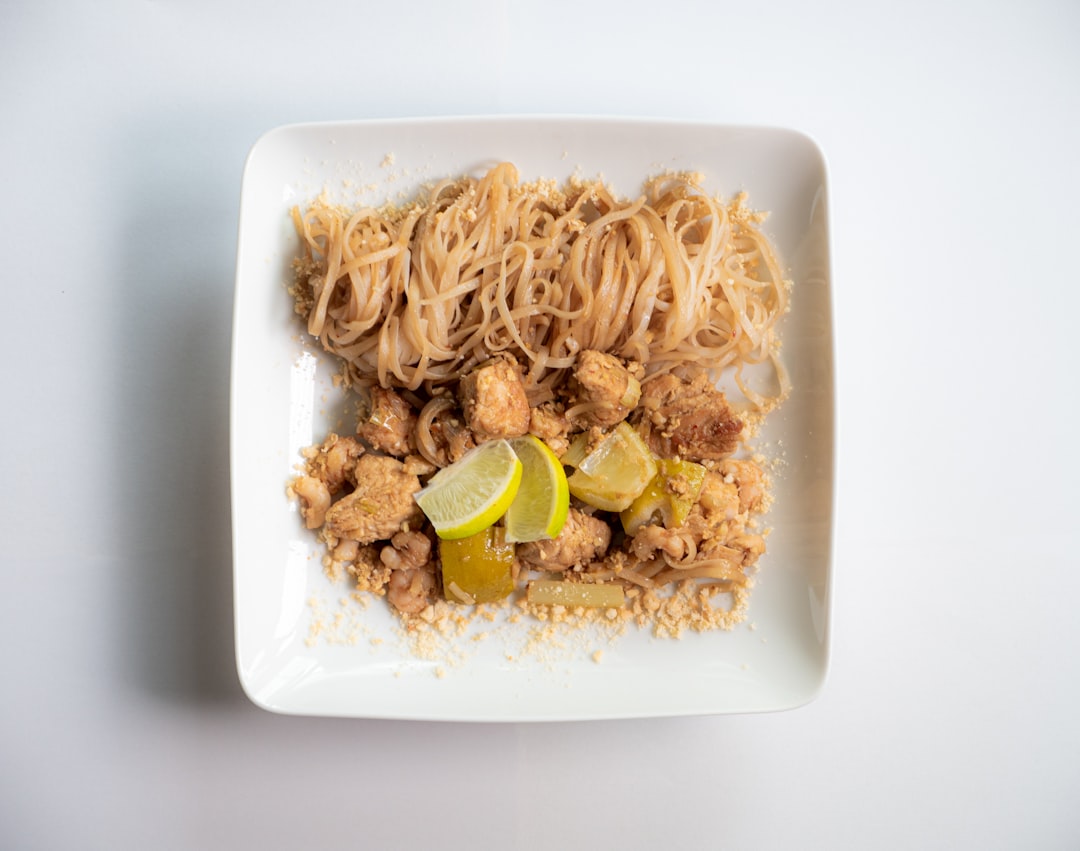
Thai cuisine is characterized by its bold flavors, aromatic herbs, and vibrant colors. It combines sweet, sour, salty, bitter, and spicy elements to create a distinctive culinary experience. The cuisine is deeply rooted in Thailand’s cultural heritage and reflects regional variations in ingredients and cooking methods.
Fresh herbs and spices are essential components, and there is a strong emphasis on achieving balance and harmony in each dish. Thai cuisine encompasses a wide variety of offerings, including curries, salads, and stir-fries, catering to diverse taste preferences. Key ingredients in Thai cooking include lemongrass, galangal, kaffir lime leaves, and Thai basil, which contribute to the complex and layered flavors typical of the cuisine.
Coconut milk, fish sauce, and shrimp paste are also frequently used, adding depth and richness to many dishes. Thai cuisine prioritizes the use of fresh, locally sourced ingredients, which enhances the overall quality and authenticity of the food. The cuisine offers a range of flavors and textures, from spicy curries to refreshing salads, providing a diverse and satisfying culinary experience.
Key Takeaways
- Thai cuisine is known for its balance of five key flavors: sweet, sour, salty, bitter, and spicy.
- Popular ingredients in Thai cuisine include lemongrass, galangal, coconut milk, and fish sauce.
- Regional variations in Thai cuisine can be seen in dishes from the northern, northeastern, central, and southern regions of Thailand.
- Street food and local specialties are an integral part of Thai cuisine, offering a wide variety of dishes and flavors.
- Thai desserts and beverages often feature tropical fruits, coconut, and sticky rice, and are a sweet ending to a meal.
The Five Key Flavors of Thai Cuisine
The Sweet Flavor
The sweet flavor in Thai cuisine often originates from palm sugar or coconut milk, which adds a subtle sweetness to dishes like curries and desserts.
The Balance of Flavors
Sourness is typically derived from ingredients such as lime juice or tamarind, which add a refreshing tang to salads and soups. Salty flavors in Thai cuisine are usually achieved through the use of fish sauce or soy sauce, which add depth and umami to savory dishes. Bitterness is less commonly used in Thai cuisine but can be found in certain herbs and vegetables like bitter melon or certain types of Thai basil.
The Defining Characteristic: Spiciness
Finally, spiciness is a defining characteristic of Thai cuisine, with ingredients like bird’s eye chilies and chili paste adding heat and intensity to many dishes. The careful balance of these five flavors is what makes Thai cuisine so distinctive and memorable.
Popular Ingredients in Thai Cuisine
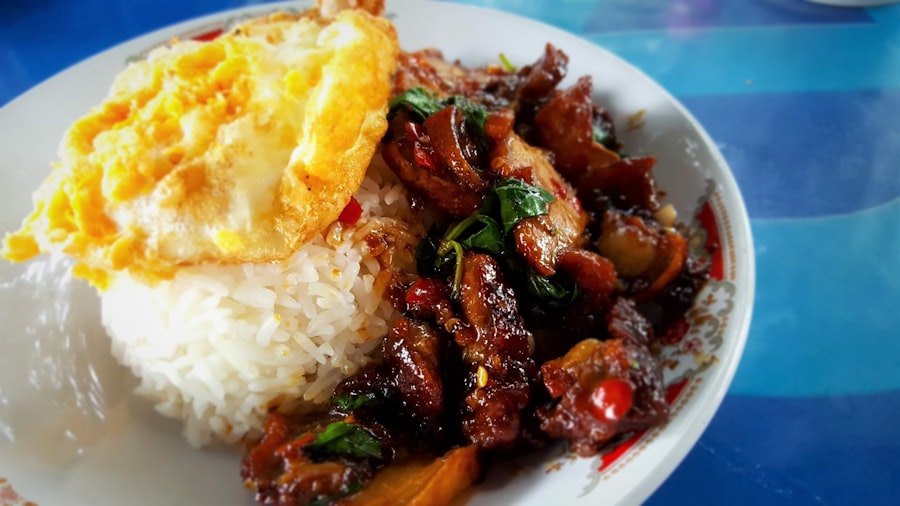
Thai cuisine is known for its use of fresh and aromatic ingredients that contribute to its bold and vibrant flavors. Some of the most popular ingredients in Thai cooking include lemongrass, which adds a citrusy aroma and flavor to many dishes, and galangal, a root similar to ginger that imparts a unique and pungent flavor. Kaffir lime leaves are another essential ingredient in Thai cuisine, adding a distinct citrusy fragrance to curries and soups.
Thai basil is also widely used in Thai cooking, with its slightly spicy and licorice-like flavor adding depth to stir-fries and curries. Additionally, ingredients like coconut milk, fish sauce, and shrimp paste are staples in Thai cuisine, adding richness and complexity to many dishes. Fresh herbs like cilantro and mint are also commonly used to add brightness and freshness to salads and soups.
These ingredients come together to create the bold and aromatic flavors that are characteristic of Thai cuisine.
Regional Variations in Thai Cuisine
| Region | Main Ingredients | Flavors | Notable Dishes |
|---|---|---|---|
| Central Thailand | Rice, fish, garlic, shallots | Sweet, salty, spicy | Pad Thai, Tom Yum Goong |
| Northern Thailand | Pork, ginger, tamarind | Mild, earthy, sour | Khao Soi, Sai Oua |
| Isaan (Northeastern Thailand) | Sticky rice, chili, lime | Spicy, sour, pungent | Som Tum, Larb |
| Southern Thailand | Coconut, turmeric, lemongrass | Spicy, tangy, rich | Massaman Curry, Gaeng Som |
Thailand’s diverse regional cuisines offer a wide range of flavors and cooking styles that reflect the country’s varied landscapes and cultural influences. In the northern region of Thailand, dishes are often milder in flavor compared to the rest of the country, with an emphasis on earthy and herbal flavors. Northern Thai cuisine is known for dishes like khao soi, a coconut curry noodle soup, and sai ua, a flavorful grilled sausage.
In the northeastern region of Thailand, also known as Isan, the cuisine is heavily influenced by neighboring Laos and Cambodia. Isan cuisine is characterized by its use of sticky rice, spicy salads, and grilled meats. The central region of Thailand, including Bangkok, is known for its vibrant street food culture and diverse array of dishes.
Central Thai cuisine features iconic dishes like pad thai, tom yum soup, and green curry. The southern region of Thailand offers a cuisine that is heavily influenced by the country’s coastal geography, with an emphasis on seafood and spicy flavors. Southern Thai dishes often feature rich coconut curries and fiery chili pastes.
Each region of Thailand offers its own unique culinary traditions and flavors, making it a diverse and exciting destination for food lovers.
Street Food and Local Specialties
Thailand’s bustling street food scene is a vibrant and essential part of the country’s culinary landscape. From bustling night markets to roadside stalls, street food vendors offer an array of local specialties that showcase the diverse flavors of Thai cuisine. Some popular street food dishes include pad thai, a stir-fried noodle dish with sweet and tangy flavors; som tam, a spicy green papaya salad; and satay, skewered and grilled meat served with peanut sauce.
Local specialties vary by region but often include dishes like khao soi in the north, a rich coconut curry noodle soup; gaeng som in the south, a sour and spicy fish curry; and larb in the northeast, a minced meat salad with fresh herbs and spices. Street food vendors also offer an assortment of sweet treats such as mango sticky rice, coconut ice cream, and crispy roti with condensed milk. Exploring Thailand’s street food scene is an essential part of experiencing the country’s culinary traditions and vibrant flavors.
Thai Desserts and Beverages
Traditional Thai Desserts
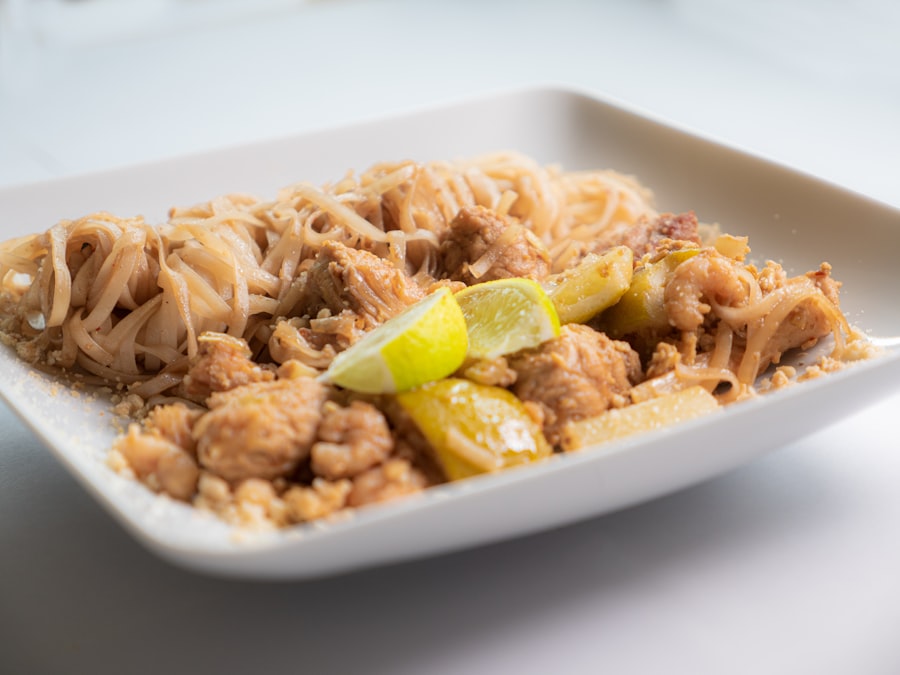
Some popular Thai desserts include mango sticky rice, a simple yet indulgent dish featuring ripe mangoes served with sweet coconut rice; tub tim grob, a refreshing dessert made with water chestnuts in coconut milk; and khanom krok, bite-sized coconut pancakes with a creamy center.
Refreshing Beverages
In addition to desserts, Thailand offers a variety of refreshing beverages that complement its spicy cuisine. Thai iced tea is a popular choice, made with strong black tea mixed with sweetened condensed milk or evaporated milk. Another favorite is fresh coconut water served straight from the coconut itself.
Something Stronger
For those looking for something stronger, Thailand’s local beers like Singha and Chang are widely available, as well as traditional spirits like Mekhong whiskey. Whether you’re indulging in a sweet treat or sipping on a refreshing beverage, Thailand offers a wide range of options to satisfy your cravings.
Exploring Thai Cuisine at Home
Bringing the vibrant flavors of Thai cuisine into your own kitchen can be a rewarding experience. With the right ingredients and techniques, you can recreate classic Thai dishes at home. Start by stocking up on essential ingredients like fish sauce, coconut milk, curry pastes, and fresh herbs like lemongrass and cilantro.
Invest in key tools like a mortar and pestle for grinding spices and making curry pastes from scratch. Experiment with recipes for popular dishes like green curry chicken, pad see ew (stir-fried noodles), or tom kha gai (coconut chicken soup). Don’t be afraid to adjust the level of spiciness or sweetness to suit your taste preferences.
You can also explore regional variations by trying recipes from different parts of Thailand to experience the diverse flavors of the country. With some practice and patience, you can master the art of Thai cooking and enjoy the bold and vibrant flavors of this beloved cuisine right in your own home.
If you’re interested in learning more about the vibrant capital city of Bangkok and its cuisine, you should check out this article on de2dehelft.nl. It explores the wonders of Bangkok and delves into the diverse and delicious food scene in the city. From street food to fine dining, Bangkok offers a wide range of culinary experiences that are sure to delight any food lover.
FAQs
What is Thai cuisine?
Thai cuisine is the national cuisine of Thailand and is known for its balance of five fundamental flavors in each dish or the overall meal – hot (spicy), sour, sweet, salty, and bitter.
What are some popular ingredients in Thai cuisine?
Some popular ingredients in Thai cuisine include lemongrass, galangal, kaffir lime leaves, fish sauce, shrimp paste, and Thai basil. Coconut milk and curry pastes are also commonly used in Thai dishes.
What are some popular Thai dishes?
Popular Thai dishes include Pad Thai (stir-fried rice noodles), Tom Yum Goong (spicy shrimp soup), Green Curry (spicy coconut milk-based curry), Som Tum (spicy green papaya salad), and Massaman Curry (rich and mild curry with Muslim origins).
What makes Thai cuisine unique?
Thai cuisine is known for its bold flavors, use of fresh ingredients, and the balance of sweet, sour, salty, and spicy flavors in each dish. It also incorporates a wide variety of herbs and spices, resulting in a diverse and flavorful culinary experience.
Is Thai cuisine spicy?
Yes, Thai cuisine is known for its spiciness, but not all dishes are extremely spicy. The level of spiciness can be adjusted to suit individual preferences.