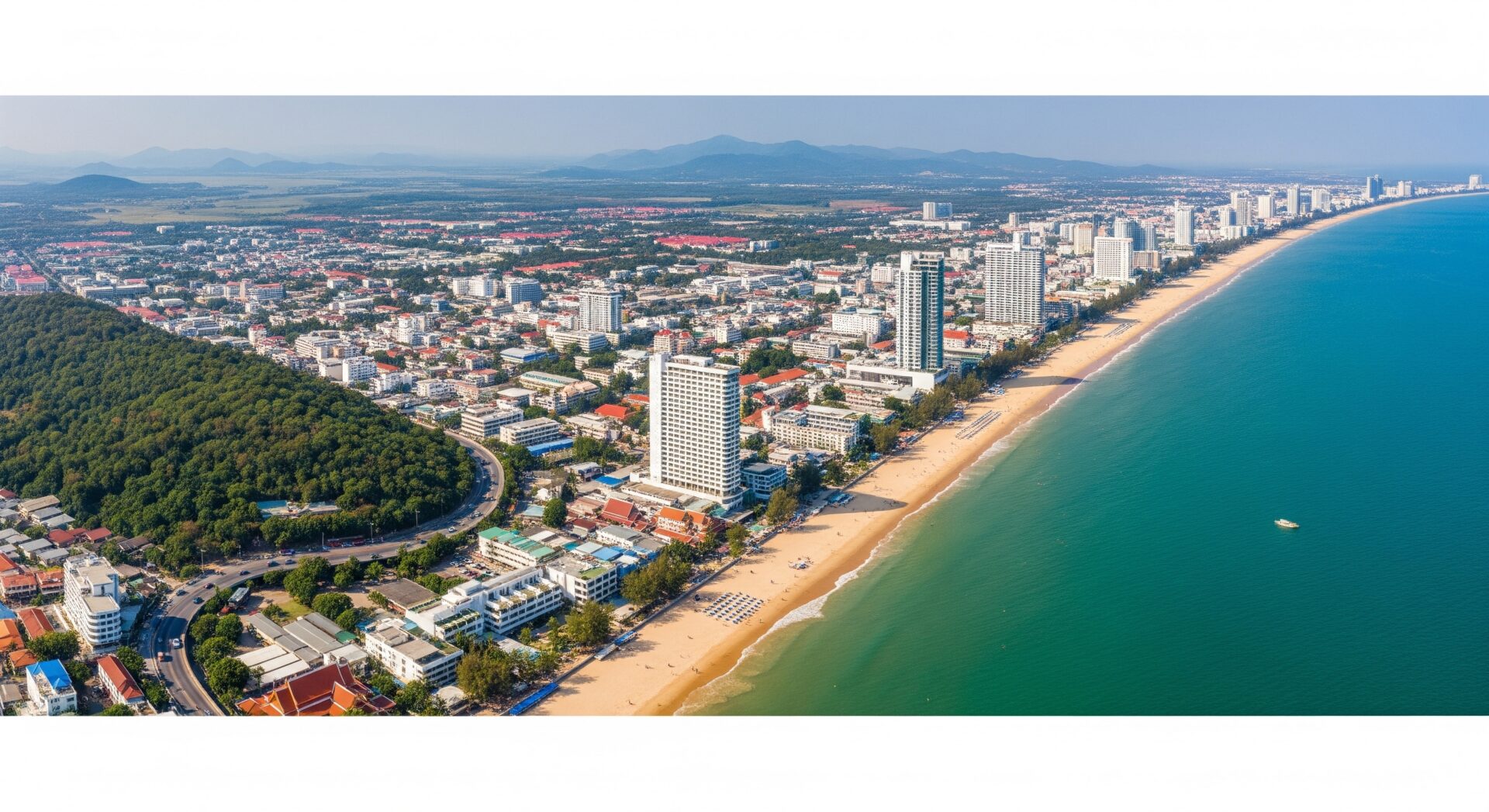


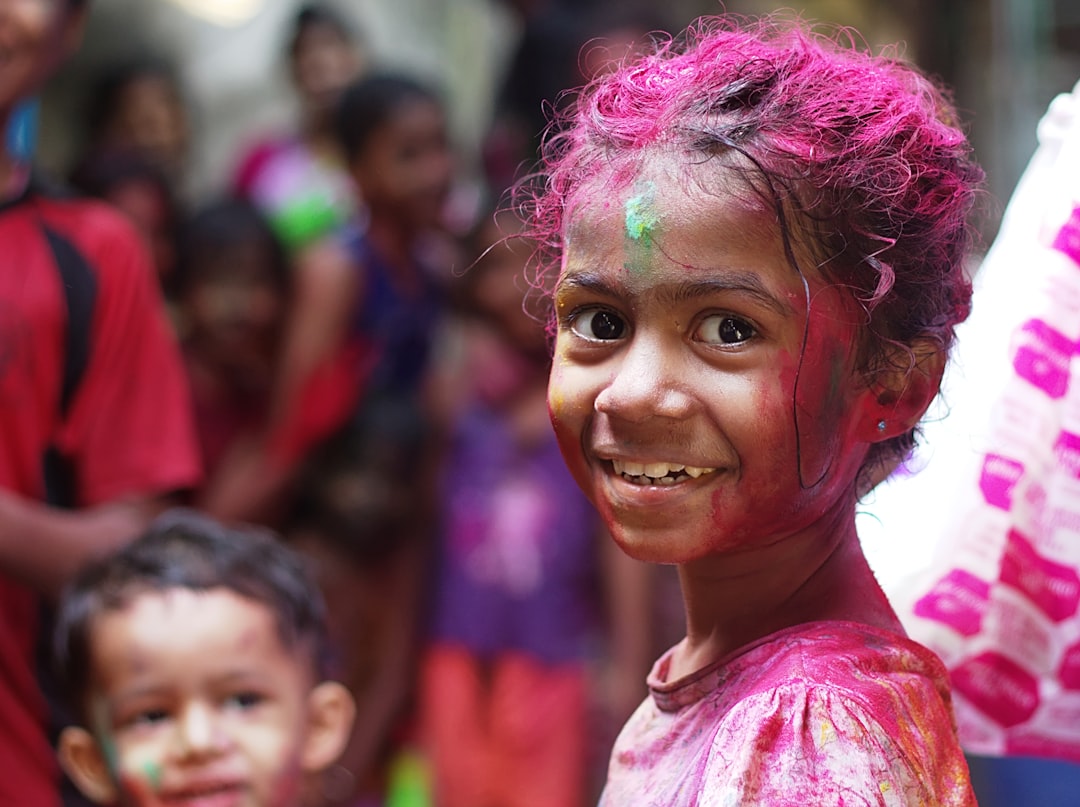
Thailand is renowned for its hospitality, with the warm and welcoming nature of its people being a key aspect of the country’s culture. The Thai smile, known as “yim” in Thai, is a significant part of this hospitality and is often one of the first things visitors notice upon arrival. This smile is not merely a polite gesture but a genuine expression of friendliness and goodwill.
The concept of Thai hospitality extends beyond the tourism industry and is deeply ingrained in everyday life. It is rooted in Buddhist principles of kindness and compassion, as well as traditional Thai values of respect and consideration for others. This cultural emphasis on warmth and friendliness is evident in various aspects of Thai society, from personal interactions to customer service.
In Thai culture, smiling is considered a way to diffuse tension, show respect, and create a positive atmosphere. It is used in various social situations, including as a greeting, an apology, or a way to express gratitude. This cultural trait contributes to Thailand’s reputation as the “Land of Smiles” and plays a significant role in the country’s tourism industry.
The hospitality industry in Thailand has capitalized on this cultural characteristic, incorporating it into training programs for staff in hotels, restaurants, and other tourism-related businesses. This focus on warm, personalized service has helped establish Thailand as a leading destination for travelers seeking a welcoming and friendly environment. While the Thai smile and hospitality are genuine cultural traits, it is important to note that they should not be misinterpreted or exploited.
Visitors should respect local customs and reciprocate the kindness they receive with equal courtesy and consideration.

Key Takeaways
- Thai hospitality is known for its warmth and friendliness, making visitors feel welcome and valued.
- The Thai smile is a cultural gesture that conveys politeness, happiness, and friendliness.
- Smiling holds great cultural significance in Thailand, representing a positive and respectful attitude.
- Smiling plays a significant role in Thai society, promoting harmony and positive interactions among people.
- In Thai communication, smiling is used to convey emotions, show respect, and build rapport with others.
- Smiling in Thai culture is believed to have health benefits, such as reducing stress and promoting overall well-being.
- Visitors to Thailand can embrace the Thai smile by reciprocating with a smile, showing respect, and being open to positive interactions.
The Art of the Thai Smile
The Anatomy of the Thai Smile
The Thai smile is often accompanied by a twinkle in the eyes, which adds an extra layer of warmth and sincerity to the gesture. This unique combination is deeply ingrained in Thai culture and traditions, and is taught to children from a young age as a way to show respect and kindness to others.
A Reflection of Inner Joy
The Thai smile is not just a social gesture, but a way for the Thai people to express their inner joy and happiness. It’s a reflection of their positive outlook on life and their genuine desire to spread happiness to those around them.
A Powerful Expression
The art of the Thai smile is a beautiful and powerful expression that has the ability to brighten anyone’s day. It’s a unique aspect of Thai culture that has the power to bring people together and create a sense of warmth and connection.
The Cultural Significance of Smiling in Thailand
In Thailand, smiling is not just a social gesture; it holds deep cultural significance. The Thai people believe that smiling is a way to show respect, gratitude, and kindness to others. It is a way for them to express their positive emotions and to create a harmonious and friendly environment.
In Thai culture, smiling is seen as a way to connect with others on a deeper level and to build strong and meaningful relationships. The cultural significance of smiling in Thailand can be seen in various aspects of daily life. From greeting others with a warm smile to using smiles as a way to diffuse tense situations, smiling plays a crucial role in maintaining harmony and positivity in Thai society.
The Thai people believe that smiling is a way to show empathy and understanding towards others, and it is an essential part of their cultural identity. The cultural significance of smiling in Thailand reflects the values of kindness, compassion, and positivity that are deeply ingrained in the Thai society.
The Impact of Smiling on Thai Society
| Aspect | Impact |
|---|---|
| Social Interaction | Enhances positive communication and fosters a friendly atmosphere |
| Health | Reduces stress and boosts overall well-being |
| Work Environment | Promotes a more productive and harmonious workplace |
| Cultural Identity | Reflects the Thai value of maintaining a pleasant and amiable demeanor |
The impact of smiling on Thai society is profound and far-reaching. Smiling is not just a social gesture; it is a way for the Thai people to create a positive and harmonious society. The genuine and infectious smiles of the Thai people have the power to uplift others, create a sense of unity, and foster strong community bonds.
In Thai society, smiling is seen as a way to spread happiness, create a welcoming atmosphere, and build strong relationships with others. The impact of smiling on Thai society can be seen in various aspects of daily life. From the warm greetings of the locals to the friendly interactions between strangers, smiling plays a crucial role in creating a sense of belonging and connection in Thai society.
The impact of smiling on Thai society extends beyond social interactions; it also has a positive effect on the overall well-being and happiness of the people. The genuine warmth and hospitality that comes with smiling contribute to creating a society that is known for its positivity, kindness, and friendliness.
The Role of Smiling in Thai Communication
In Thailand, smiling plays a significant role in communication. It is not just a facial expression; it is a way for the Thai people to convey their emotions, intentions, and attitudes towards others. Smiling is used as a way to express joy, gratitude, respect, and understanding in various social interactions.
Whether it’s greeting someone with a warm smile or using smiles to diffuse tense situations, smiling is an essential part of communication in Thailand. The role of smiling in Thai communication goes beyond verbal language; it is a universal language that transcends cultural barriers. The genuine and infectious smiles of the Thai people have the power to create a sense of connection and understanding with others, even if they do not speak the same language.
Smiling is used as a way to convey positive emotions and to build rapport with others, making it an essential tool for effective communication in Thailand.
The Health Benefits of Smiling in Thai Culture
The Science Behind Smiling
Smiling has been shown to have a profound effect on our health. It reduces stress levels, lowers blood pressure, boosts the immune system, and releases endorphins that promote feelings of happiness and well-being. These benefits are particularly important in Thai culture, where positivity and harmony are highly valued.
A Positive Atmosphere
The act of smiling not only creates a positive atmosphere but also contributes to the overall health and happiness of the people. In Thailand, where smiling is deeply ingrained in the culture, these health benefits are widely recognized and embraced by the Thai people.
A Key to Happiness and Well-being
In Thai culture, smiling is more than just a facial expression; it’s a way of life. By embracing the act of smiling, the Thai people are able to cultivate a sense of positivity and harmony, leading to a happier and healthier society.
Embracing the Thai Smile: Tips for Visitors
For visitors traveling to Thailand, embracing the Thai smile can enhance their experience and help them connect with the local culture on a deeper level. One tip for visitors is to reciprocate the warm smiles they receive from the locals. By returning the genuine warmth and hospitality with their own smiles, visitors can create meaningful connections with the Thai people and feel more at home in this beautiful country.
Another tip for visitors is to understand the cultural significance of smiling in Thailand. By recognizing that smiling is not just a social gesture but an essential part of communication and cultural identity, visitors can gain a deeper appreciation for the warmth and positivity that permeates throughout Thai society. In conclusion, the warmth of Thai hospitality, the art of the Thai smile, the cultural significance of smiling in Thailand, its impact on society, its role in communication, its health benefits, and tips for visitors all contribute to making smiling an integral part of Thai culture.
Embracing the Thai smile can enrich visitors’ experiences and allow them to connect with the local culture on a deeper level.
If you’re interested in exploring the vibrant capital city of Bangkok, you should check out this article on de2dehelft.nl. It provides a comprehensive guide to discovering the wonders of Bangkok and delves into the rich cultural heritage and vibrant atmosphere of the city. Thai Smile can enhance your experience by providing excellent service and comfortable travel to this exciting destination.
FAQs
Who uses Thai Smile as a …?
Thai Smile is a regional airline based in Bangkok, Thailand. It is a subsidiary of Thai Airways International and operates as a low-cost carrier.
When was Thai Smile established?
Thai Smile was established in 2011 and began operations in 2012.
What destinations does Thai Smile serve?
Thai Smile operates domestic and international flights to various destinations in Asia, including China, India, and Malaysia, as well as domestic flights within Thailand.
What type of aircraft does Thai Smile operate?
Thai Smile operates a fleet of Airbus A320 and Airbus A320neo aircraft for its flights.
What is the seating configuration on Thai Smile flights?
Thai Smile offers both Economy Class and Premium Economy Class seating options on its flights.