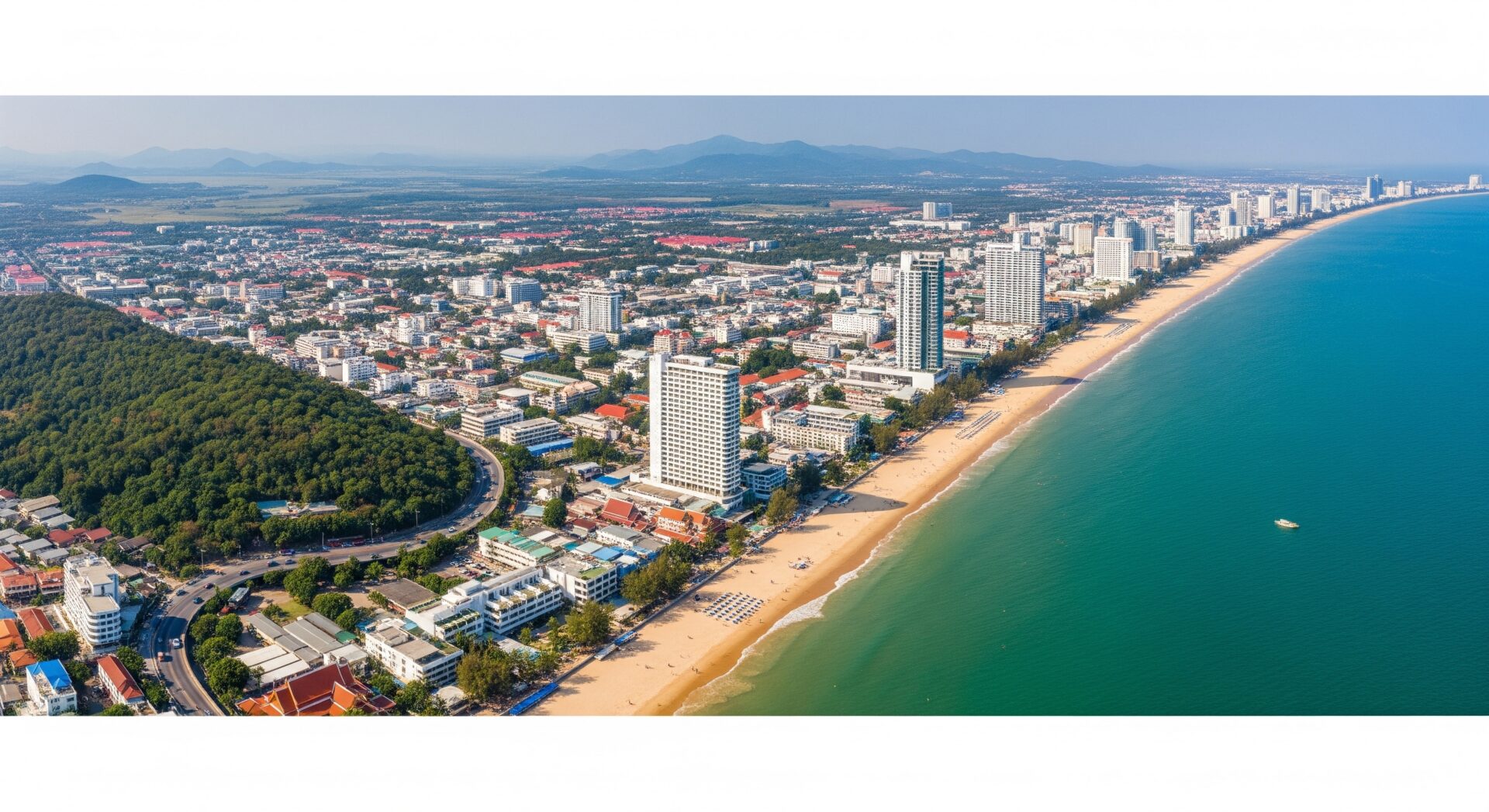


Ayutthaya, located just north of Bangkok, is a city steeped in history and culture. It was once the capital of the Kingdom of Ayutthaya, which ruled over Siam (now Thailand) from the 14th to the 18th century. Ayutthaya’s significance in Thai history cannot be overstated, as it was a major center of trade and diplomacy in Southeast Asia.
The rise of Ayutthaya can be traced back to the 14th century when it was established as a trading post by King Ramathibodi
Over the next few centuries, Ayutthaya grew into a powerful kingdom, attracting merchants from all over the world and establishing diplomatic relations with neighboring countries.
However, Ayutthaya’s golden age came to an end in 1767 when it was invaded and destroyed by the Burmese army. The city was left in ruins, and its once magnificent temples and palaces were reduced to rubble. Despite this devastating blow, Ayutthaya remains an important historical site and a testament to Thailand’s rich cultural heritage.
The Magnificent Temples of Ayutthaya: Exploring the Spiritual Heart of Thailand
One of the main attractions in Ayutthaya is its magnificent temples, which are scattered throughout the city. These temples are not only religious sites but also architectural masterpieces that showcase the artistic and cultural achievements of the Ayutthaya Kingdom.
One of the most famous temples in Ayutthaya is Wat Mahathat, known for its iconic Buddha head entwined in the roots of a tree. This image has become an iconic symbol of Ayutthaya and is a must-see for visitors. Another notable temple is Wat Phra Si Sanphet, which was once the holiest temple in Ayutthaya and served as the royal chapel. It is known for its three towering chedis, which were used to enshrine the ashes of the Ayutthaya kings.
Wat Chaiwatthanaram is another temple that should not be missed. Located on the banks of the Chao Phraya River, it offers stunning views and is particularly beautiful at sunset. The temple’s central prang (tower) is surrounded by smaller chedis and statues, creating a picturesque scene that is perfect for photography.
In addition to these famous temples, there are many other notable temples in Ayutthaya that are worth exploring. Wat Lokayasutharam is home to a massive reclining Buddha statue, while Wat Ratchaburana boasts an impressive prang and intricate murals. Each temple has its own unique charm and offers a glimpse into Ayutthaya’s rich history and culture.
Ayutthaya’s UNESCO World Heritage Sites: A Guide to the City’s Most Impressive Landmarks
Ayutthaya is home to several UNESCO World Heritage Sites, which are recognized for their outstanding universal value. These sites provide a deeper understanding of Ayutthaya’s historical significance and offer a glimpse into the city’s glorious past.
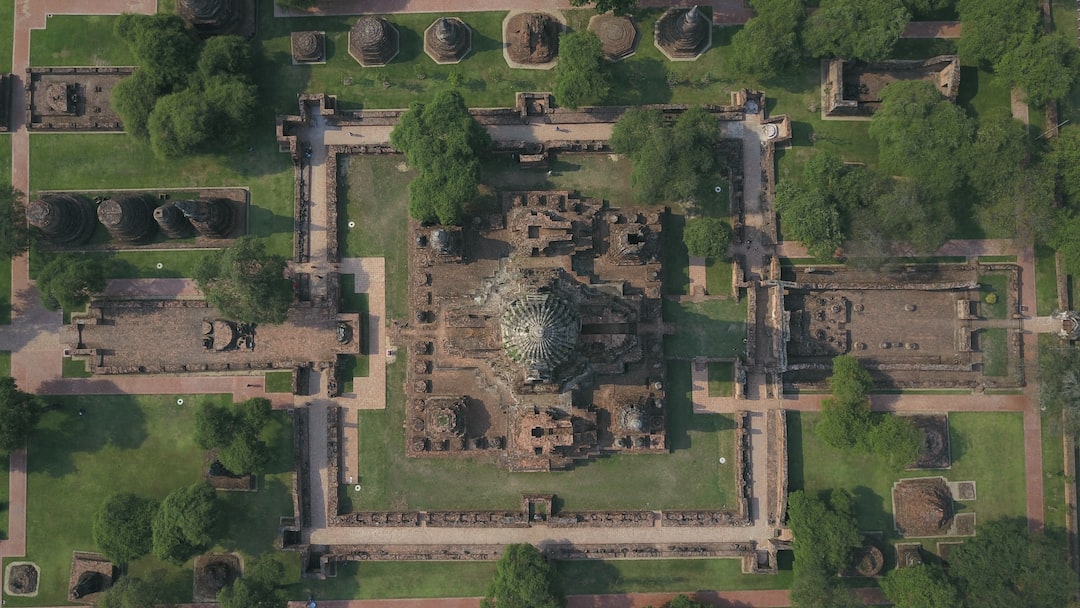
The Ayutthaya Historical Park is the most important UNESCO World Heritage Site in Ayutthaya. It covers an area of over 289 hectares and contains numerous temples and ruins that date back to the Ayutthaya Kingdom. Visitors can explore the park on foot or by bicycle, taking in the grandeur of the ancient city.
Another UNESCO World Heritage Site in Ayutthaya is Bang Pa-In Palace, also known as the Summer Palace. This palace was built in the 17th century and served as a retreat for the Thai kings. It features a mix of architectural styles, including Thai, Chinese, and European influences. Visitors can explore the palace grounds, which include beautiful gardens, pavilions, and a lake.
Wat Yai Chai Mongkhon is another UNESCO World Heritage Site that should not be missed. This temple is known for its towering pagoda, which offers panoramic views of Ayutthaya. It is also home to a large reclining Buddha statue and a collection of smaller chedis.
In addition to these UNESCO World Heritage Sites, there are other important landmarks in Ayutthaya that showcase the city’s rich history and culture. These include the Ayutthaya Elephant Kraal & Royal Elephant Museum, which provides insight into the role of elephants in Thai society, and the Ayutthaya Historical Study Center, which offers educational exhibits on Ayutthaya’s history.
The Royal Palace of Ayutthaya: Discovering the Grandeur of Thailand’s Former Kings
The Royal Palace of Ayutthaya was once the residence of the Thai kings and the center of political and cultural life in the city. Although much of the palace was destroyed during the Burmese invasion, there are still remnants that give visitors a glimpse into its grandeur.
The palace complex is located on an island surrounded by three rivers, making it easily defensible. It was designed in a traditional Thai architectural style, with multiple buildings and courtyards. The most important building in the palace complex is the throne hall, where the king would receive foreign dignitaries and conduct official ceremonies.
The royal residence, known as the Inner Palace, was where the king and his family lived. It was a private area that was off-limits to the public. The Inner Palace featured beautiful gardens, ponds, and pavilions, creating a serene and peaceful atmosphere.
The Royal Palace played a crucial role in Ayutthaya’s political and cultural life. It was not only the residence of the king but also the administrative center of the kingdom. It housed government offices, archives, and the royal treasury. The palace was also a center of art and culture, with artists and craftsmen creating beautiful works of art for the royal family.
Ayutthaya’s Floating Markets: A Journey Through Thailand’s Vibrant Local Culture
One of the unique experiences in Ayutthaya is visiting its floating markets. These markets offer a glimpse into Thailand’s vibrant local culture and provide an opportunity to sample delicious food, buy traditional crafts, and interact with locals.
Ayutthaya is home to several floating markets, each with its own charm and atmosphere. One of the most popular floating markets is the Ayothaya Floating Market, located on the outskirts of the city. Here, visitors can take a boat ride along the canal and explore the market stalls selling fresh produce, snacks, and souvenirs. There are also cultural performances and traditional Thai music to enjoy.
Another popular floating market in Ayutthaya is the Klong Sra Bua Floating Market. This market is known for its authentic atmosphere and offers a wide variety of food and drinks. Visitors can try local delicacies such as boat noodles, grilled seafood, and traditional Thai desserts.
Visiting a floating market is not just about shopping and eating; it is also an opportunity to immerse yourself in the local culture. You can watch locals going about their daily lives, see traditional boats navigating the canals, and learn about the history and traditions of Ayutthaya.
The Ayutthaya Historical Park: Uncovering the Secrets of Thailand’s Ancient Civilization
The Ayutthaya Historical Park is a must-visit for anyone interested in exploring Thailand’s ancient civilization. This vast park is home to numerous temples and ruins that date back to the Ayutthaya Kingdom, offering a fascinating glimpse into the city’s rich history and culture.
The park covers an area of over 289 hectares and is divided into several zones. Each zone contains different temples and ruins, allowing visitors to explore different aspects of Ayutthaya’s history.
One of the key temples in the Ayutthaya Historical Park is Wat Phra Si Sanphet, which was once the holiest temple in Ayutthaya. It served as the royal chapel and housed the ashes of the Ayutthaya kings. The temple is known for its three towering chedis, which are a symbol of Ayutthaya’s grandeur.
Another important temple in the park is Wat Mahathat, which is famous for its Buddha head entwined in the roots of a tree. This image has become an iconic symbol of Ayutthaya and is a popular spot for photography.
In addition to these temples, there are many other ruins and structures to explore in the Ayutthaya Historical Park. These include Wat Ratchaburana, which has an impressive prang and intricate murals, and Wat Lokayasutharam, which is home to a massive reclining Buddha statue.
Visitors can explore the Ayutthaya Historical Park on foot or by bicycle. There are also guided tours available that provide a deeper understanding of Ayutthaya’s history and culture.
Ayutthaya’s Hidden Gems: Exploring the Lesser-Known Treasures of Thailand’s Former Capital
While Ayutthaya is known for its famous temples and landmarks, there are also many hidden gems waiting to be discovered. These lesser-known attractions offer a unique perspective on Ayutthaya’s history and culture and provide an opportunity to escape the crowds.
One of the lesser-known temples in Ayutthaya is Wat Phu Khao Thong, also known as the Golden Mount Temple. This temple is located just outside the city and offers panoramic views of Ayutthaya from its hilltop location. It is also home to a large chedi that is covered in gold leaf, giving it a majestic appearance.
Another hidden gem in Ayutthaya is the Ayutthaya Elephant Village. This village is dedicated to the conservation and welfare of elephants and offers visitors the opportunity to interact with these majestic creatures in a natural and ethical way. Visitors can learn about elephant conservation, feed and bathe the elephants, and even take a ride on their backs.
The Thai Boat Museum is another hidden gem that should not be missed. This museum showcases traditional Thai boats and provides insight into the importance of water transportation in Ayutthaya’s history. Visitors can see different types of boats, learn about their construction and use, and even take a short boat ride on the river.
Exploring Ayutthaya’s hidden gems is best done with a local guide who can provide insider knowledge and take you off the beaten path. They can show you lesser-known temples, introduce you to local artisans, and share stories and legends that are not found in guidebooks.
The Ayutthaya Elephant Sanctuary: Meeting Thailand’s Majestic Giants in a Natural Habitat
For those who want to experience Thailand’s majestic elephants in a natural and ethical way, the Ayutthaya Elephant Sanctuary is a must-visit. This sanctuary is dedicated to the conservation and welfare of elephants and offers visitors the opportunity to learn about these incredible creatures up close.
The Ayutthaya Elephant Sanctuary provides a safe and natural environment for elephants that have been rescued from logging camps, circuses, or other forms of exploitation. Visitors can interact with the elephants, feed them, bathe them, and even take a walk with them through the jungle.
One of the main goals of the sanctuary is to educate visitors about elephant conservation and welfare in Thailand. Visitors can learn about the challenges facing elephants in captivity and the efforts being made to protect them in the wild. They can also learn about the sanctuary’s rescue and rehabilitation programs and how they can support these initiatives.
Interacting with elephants in a natural and ethical way is a truly unforgettable experience. It allows visitors to develop a deeper appreciation for these magnificent creatures and to contribute to their well-being and conservation.
Ayutthaya by Night: Experiencing the City’s Magical Atmosphere After Dark
Ayutthaya takes on a magical atmosphere after dark, with its temples and landmarks beautifully illuminated. Exploring the city at night offers a different perspective and allows visitors to experience its rich history and culture in a unique way.
One of the best ways to experience Ayutthaya by night is to visit its night markets. These markets come alive after sunset, with vendors selling a wide variety of food, drinks, and souvenirs. Visitors can sample local delicacies such as grilled seafood, pad Thai, and mango sticky rice, while enjoying live music and cultural performances.
Another popular activity at night is to visit the temples and landmarks of Ayutthaya. Many of these sites are beautifully lit up, creating a magical atmosphere. Visitors can explore the temples at their own pace, taking in the beauty of the architecture and enjoying the tranquility of the surroundings.
Some temples also offer special evening events, such as candlelit ceremonies or traditional dance performances. These events provide a deeper understanding of Ayutthaya’s history and culture and allow visitors to participate in ancient rituals.
Exploring Ayutthaya by night is a truly enchanting experience that should not be missed. It offers a different perspective on the city’s rich history and culture and allows visitors to see its landmarks in a whole new light.
Ayutthaya’s Culinary Delights: Discovering the Flavors of Thailand’s Ancient Capital
No visit to Ayutthaya would be complete without sampling its culinary delights. The city is known for its delicious food, which reflects the rich flavors and traditions of Thai cuisine.
Ayutthaya’s cuisine is a blend of different influences, including Chinese, Indian, and European flavors. The city’s location on the Chao Phraya River also means that it has access to fresh seafood, which is a staple in many dishes.
One of the must-try dishes in Ayutthaya is boat noodles. These small bowls of noodles are typically served with pork or beef and are packed with flavor. They are called boat noodles because they were traditionally served from boats along the canals of Ayutthaya.
Another popular dish in Ayutthaya is khao soi, a northern Thai curry noodle soup. It is made with a rich and creamy coconut curry broth and topped with crispy noodles, pickled mustard greens, and lime. The combination of flavors and textures makes it a truly satisfying dish.
Visiting local markets and restaurants is the best way to sample Ayutthaya’s culinary delights. The markets offer a wide variety of street food, including grilled meats, fresh fruits, and traditional desserts. There are also many restaurants that specialize in Ayutthaya’s cuisine, offering a more formal dining experience.
Conclusion: Ayutthaya’s Rich History and Culture Await
Ayutthaya is a city that is steeped in history and culture. Its temples, palaces, and landmarks offer a glimpse into Thailand’s glorious past and provide an opportunity to explore its rich heritage.
From the magnificent temples to the UNESCO World Heritage Sites , the country of India is a treasure trove of cultural and historical landmarks. The temples, such as the iconic Taj Mahal and the stunning Khajuraho temples, showcase the architectural brilliance and artistic mastery of ancient Indian civilizations. These sites not only serve as a testament to India’s rich heritage but also attract tourists from all over the world. Additionally, India boasts numerous UNESCO World Heritage Sites, including the majestic forts and palaces of Rajasthan, the ancient caves of Ajanta and Ellora, and the serene backwaters of Kerala. Each of these sites offers a unique glimpse into India’s diverse history and cultural tapestry, making it a must-visit destination for any traveler seeking to immerse themselves in the country’s vibrant past.
FAQs
What is Ayutthaya?
Ayutthaya is a city in Thailand, located about 80 kilometers north of Bangkok. It was the capital of the Kingdom of Siam from 1350 until it was sacked by the Burmese in 1767.
What is the history of Ayutthaya?
Ayutthaya was founded in 1350 by King U Thong and became the capital of the Kingdom of Siam. It was a major trading center and a hub of cultural exchange between East and West. The city was sacked by the Burmese in 1767, leading to the collapse of the kingdom.
What are the main attractions in Ayutthaya?
Ayutthaya is home to many historical sites and temples, including Wat Phra Si Sanphet, Wat Mahathat, and Wat Chaiwatthanaram. The Ayutthaya Historical Park, a UNESCO World Heritage Site, contains many of these attractions.
How do I get to Ayutthaya?
Ayutthaya is easily accessible by train, bus, or car from Bangkok. The journey takes about 1-2 hours depending on the mode of transportation.
What is the best time to visit Ayutthaya?
The best time to visit Ayutthaya is during the cool season, from November to February, when the weather is mild and dry. However, the city can be visited year-round.