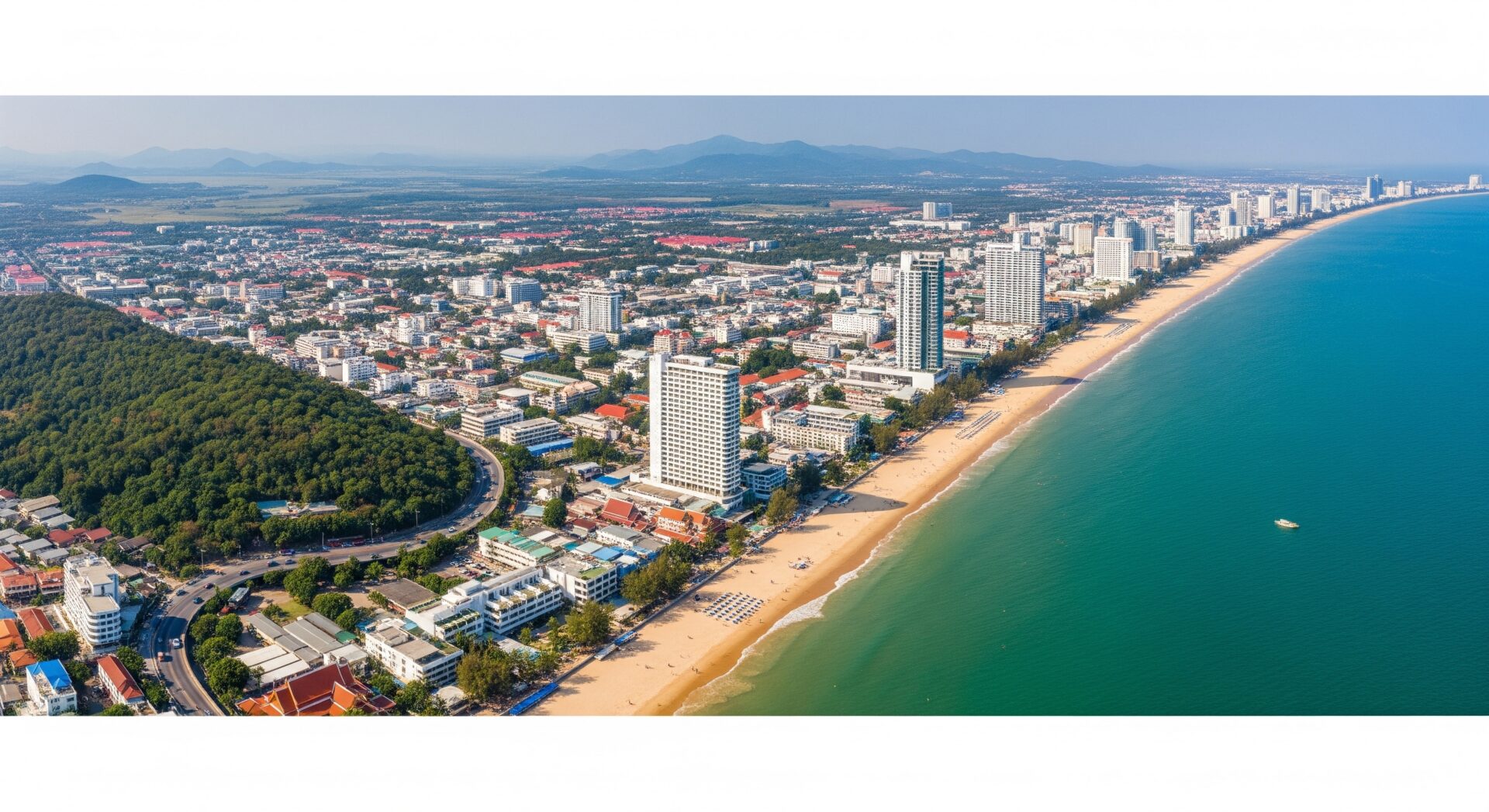


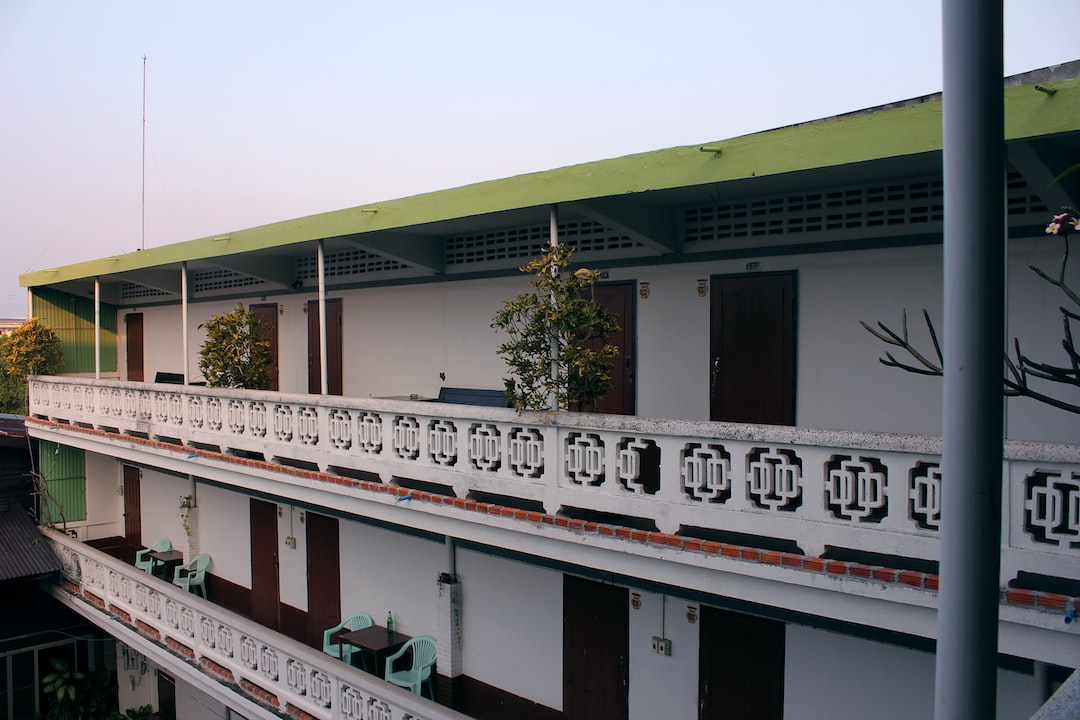
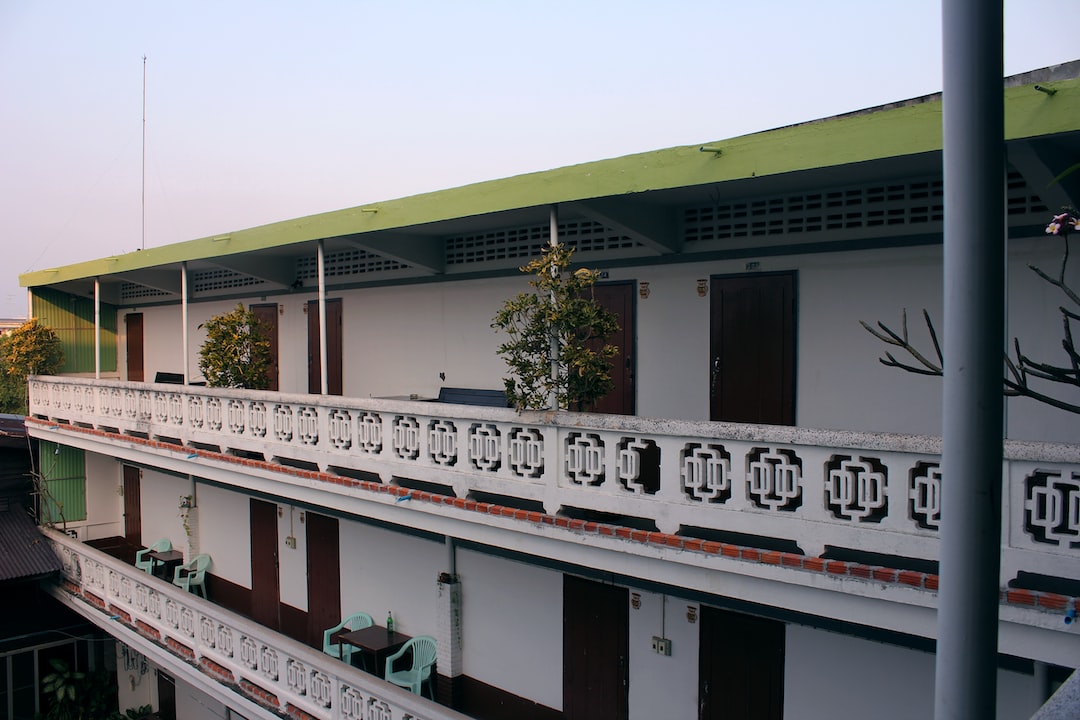
Lampang, a hidden gem in Northern Thailand, is often overlooked by tourists in favor of more popular destinations like Chiang Mai and Pai. However, those who venture off the beaten path will be rewarded with a unique and authentic experience in this charming city. Lampang is known for its rich history and culture, stunning natural beauty, unique architecture, delicious cuisine, vibrant arts and crafts scene, and lively festivals and celebrations. Whether you’re a history buff, nature lover, foodie, or adventure seeker, Lampang has something to offer everyone. In this article, we will explore the many reasons why Lampang is worth visiting and provide recommendations on what to see and do during your trip.
Lampang: A Hidden Gem in Northern Thailand
Lampang is often overlooked by tourists due to its proximity to more popular destinations like Chiang Mai. However, this is precisely what makes Lampang special – it remains relatively untouched by mass tourism and offers a more authentic experience of Thai culture and way of life. The city has managed to preserve its traditional charm and slow-paced lifestyle, making it the perfect destination for those seeking a peaceful and relaxing getaway.
What sets Lampang apart from other cities in Northern Thailand is its unique blend of influences from various cultures. Over the centuries, Lampang has been influenced by the Lanna Kingdom, Burmese invaders, and Chinese immigrants. This rich history has shaped the city’s traditions, customs, architecture, and cuisine. Exploring Lampang allows visitors to delve into the fascinating cultural tapestry that makes up this hidden gem.
The Rich History and Culture of Lampang
Lampang has a long and storied history that dates back to the Lanna Kingdom in the 13th century. The city was an important trading hub along the ancient trade routes between China and Myanmar. As a result, Lampang became a melting pot of different cultures and traditions. The Lanna Kingdom’s influence can still be seen in the city’s architecture, with many temples and buildings featuring intricate carvings and traditional Lanna-style roofs.
Cultural influences from Burma and China are also evident in Lampang’s traditions and customs. The city is known for its vibrant festivals and celebrations, which showcase a blend of Thai, Burmese, and Chinese traditions. One of the most famous festivals in Lampang is the annual “Yi Peng” festival, where thousands of lanterns are released into the night sky, creating a breathtaking spectacle.
Exploring the Natural Beauty of Lampang: Parks and Gardens
Lampang is blessed with an abundance of natural beauty, with lush greenery, rolling hills, and picturesque landscapes. The city is home to several parks and gardens that offer a peaceful retreat from the hustle and bustle of everyday life.
One of the must-visit parks in Lampang is Tham Pha Thai National Park. Located just outside the city, this park is known for its stunning limestone caves, waterfalls, and hiking trails. Visitors can explore the caves and marvel at the intricate rock formations, or take a dip in the crystal-clear pools beneath the waterfalls.
Another popular park in Lampang is Bueng Kaen Nakhon. This large lake is surrounded by lush gardens and offers a tranquil setting for picnics, boat rides, and bird watching. The park is also home to a variety of wildlife, including turtles, otters, and migratory birds.
Temples and Shrines: The Spiritual Side of Lampang
Lampang is often referred to as the “City of Temples” due to its large number of Buddhist temples and shrines. These sacred sites offer visitors a glimpse into the spiritual side of Lampang and provide a serene atmosphere for meditation and reflection.
One of the most famous temples in Lampang is Wat Phra That Lampang Luang. This ancient temple dates back to the 13th century and is considered one of the most important religious sites in Northern Thailand. The temple’s golden chedi (stupa) is a sight to behold, and the surrounding grounds are filled with beautiful gardens and ancient trees.
Another notable temple in Lampang is Wat Phra Kaeo Don Tao. This temple is believed to house the Emerald Buddha, which was later moved to Bangkok’s Grand Palace. The temple’s intricate murals and stunning architecture make it a must-visit for history and art enthusiasts.
Lampang’s Unique Architecture: Traditional Lanna Style
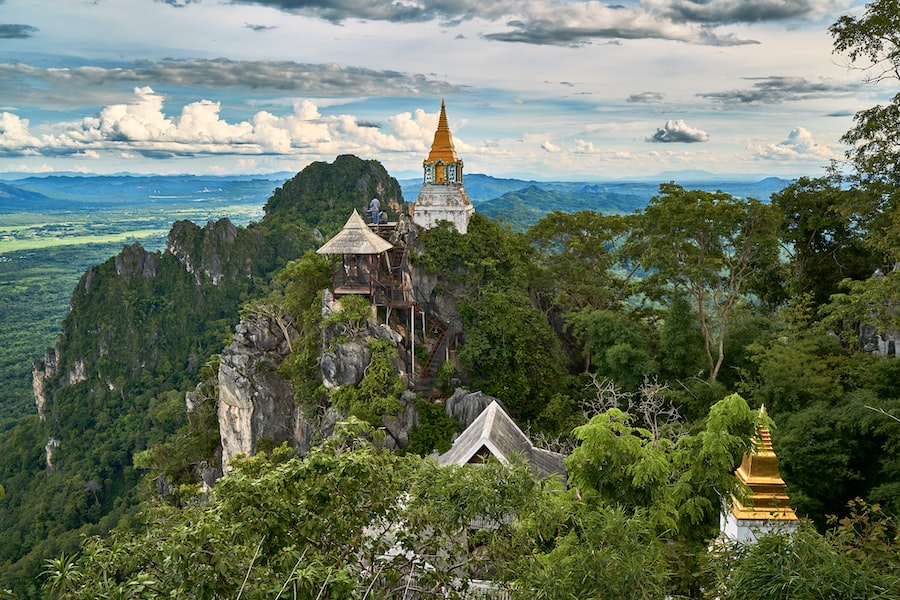
Lampang is renowned for its unique architecture, which showcases the traditional Lanna style. Lanna architecture is characterized by its intricate carvings, sloping roofs, and use of natural materials like teak wood.
One of the best examples of Lanna architecture in Lampang is Baan Sao Nak. This historic teakwood house was built in the late 19th century and features 116 pillars, earning it the nickname “House of Many Pillars.” Visitors can explore the house and learn about its history and significance.
Another architectural gem in Lampang is Wat Si Rong Muang. This temple stands out for its distinctive Burmese-style architecture, with its golden chedi and ornate decorations. The temple’s interior is equally impressive, with beautiful murals depicting scenes from Buddhist mythology.
The Local Cuisine of Lampang: A Gastronomic Adventure
No trip to Lampang would be complete without indulging in the local cuisine. Lampang is known for its delicious and flavorful dishes that showcase the region’s unique culinary heritage.
One of the must-try dishes in Lampang is “khao soi,” a Northern Thai specialty. Khao soi is a rich and creamy curry noodle soup, typically made with chicken or beef. The dish is topped with crispy noodles, shallots, and lime, and is bursting with flavors of coconut milk, curry paste, and spices.
Another popular dish in Lampang is “moo chamuang,” which is a stir-fried pork dish cooked with chamuang leaves. The leaves give the dish a tangy and slightly sour flavor, which pairs perfectly with the tender and juicy pork.
Arts and Crafts: Discovering Lampang’s Creative Side
Lampang has a vibrant arts and crafts scene, with talented artisans creating beautiful handmade products. Visitors can explore the city’s art galleries, craft shops, and workshops to discover unique and one-of-a-kind pieces.
One of the best places to experience Lampang’s arts and crafts scene is Baan Sao Nak Art Village. This creative hub is home to a community of artists and craftsmen who specialize in various mediums, including painting, sculpture, ceramics, and textiles. Visitors can watch the artists at work, participate in workshops, and purchase their creations.
Another must-visit spot for art enthusiasts is the Lampang Ceramics Factory. This family-owned business has been producing high-quality ceramics for over 50 years. Visitors can take a tour of the factory to see the production process firsthand and browse through the showroom to purchase beautiful ceramic pieces.
Festivals and Celebrations: Experience Lampang’s Vibrant Culture
Lampang is known for its lively festivals and celebrations, which provide a glimpse into the city’s vibrant culture and traditions. One of the most famous festivals in Lampang is the annual “Yi Peng” festival, which takes place in November. During this festival, thousands of lanterns are released into the night sky, creating a magical spectacle that lights up the entire city.
Another popular festival in Lampang is the “Songkran” water festival, which marks the Thai New Year. During this festival, locals and tourists alike take to the streets to engage in friendly water fights, symbolizing the washing away of the old year and welcoming the new year with a fresh start.
Adventure and Outdoor Activities in Lampang: Trekking and Cycling
For those seeking adventure and outdoor activities, Lampang offers plenty of options. The city is surrounded by beautiful landscapes and is the perfect base for trekking, cycling, and exploring the great outdoors.
One of the best places for trekking in Lampang is Doi Khun Tan National Park. This park is home to several hiking trails that lead to stunning viewpoints, waterfalls, and hill tribe villages. Visitors can embark on guided treks to explore the park’s diverse flora and fauna, or simply enjoy a leisurely stroll through the lush forests.
Cycling enthusiasts will also find plenty of opportunities to explore Lampang on two wheels. The city has a well-developed network of cycling routes that take riders through scenic countryside, charming villages, and historic sites. Renting a bicycle and exploring Lampang at your own pace is a great way to immerse yourself in the local culture and experience the city from a different perspective.
Sustainable Tourism in Lampang: Supporting Local Communities and the Environment
Lampang is committed to sustainable tourism practices that support local communities and protect the environment. The city has implemented initiatives to reduce waste, conserve natural resources, and promote responsible tourism.
One organization that is leading the way in sustainable tourism in Lampang is the Thai Elephant Conservation Center. This center focuses on elephant welfare, conservation, and education. Visitors can learn about the center’s efforts to protect elephants and their natural habitat, as well as participate in ethical elephant experiences like bathing and feeding.
Another initiative worth supporting is the Lampang Women’s Development Center. This center empowers local women by providing them with training in traditional crafts like weaving and pottery. Visitors can purchase handmade products from the center’s shop, knowing that their purchase directly supports the livelihoods of these talented artisans.
Lampang is a hidden gem in Northern Thailand that offers a unique and authentic experience for travelers. The city’s rich history and culture, stunning natural beauty, unique architecture, delicious cuisine, vibrant arts and crafts scene, lively festivals and celebrations, and outdoor activities make it a destination worth visiting. Whether you’re interested in exploring ancient temples, indulging in local cuisine, immersing yourself in the arts and crafts scene, or embarking on outdoor adventures, Lampang has something to offer everyone. So why not plan a trip to Lampang and discover this hidden gem for yourself?
FAQs
What is Lampang?
Lampang is a province located in the northern region of Thailand.
What is the capital city of Lampang?
The capital city of Lampang is also called Lampang.
What is the population of Lampang?
As of 2021, the population of Lampang is approximately 760,000 people.
What is the climate like in Lampang?
Lampang has a tropical savanna climate with hot summers and mild winters. The average temperature is around 28°C.
What are some popular tourist attractions in Lampang?
Some popular tourist attractions in Lampang include Wat Phra That Lampang Luang, Wat Phra Kaeo Don Tao, and the Thai Elephant Conservation Center.
What is Lampang known for?
Lampang is known for its rich history, traditional Lanna culture, and as a center for elephant conservation.
What is the main language spoken in Lampang?
The main language spoken in Lampang is Thai. However, many people also speak Northern Thai dialect and English.
What is the currency used in Lampang?
The currency used in Lampang, as well as the rest of Thailand, is the Thai baht.