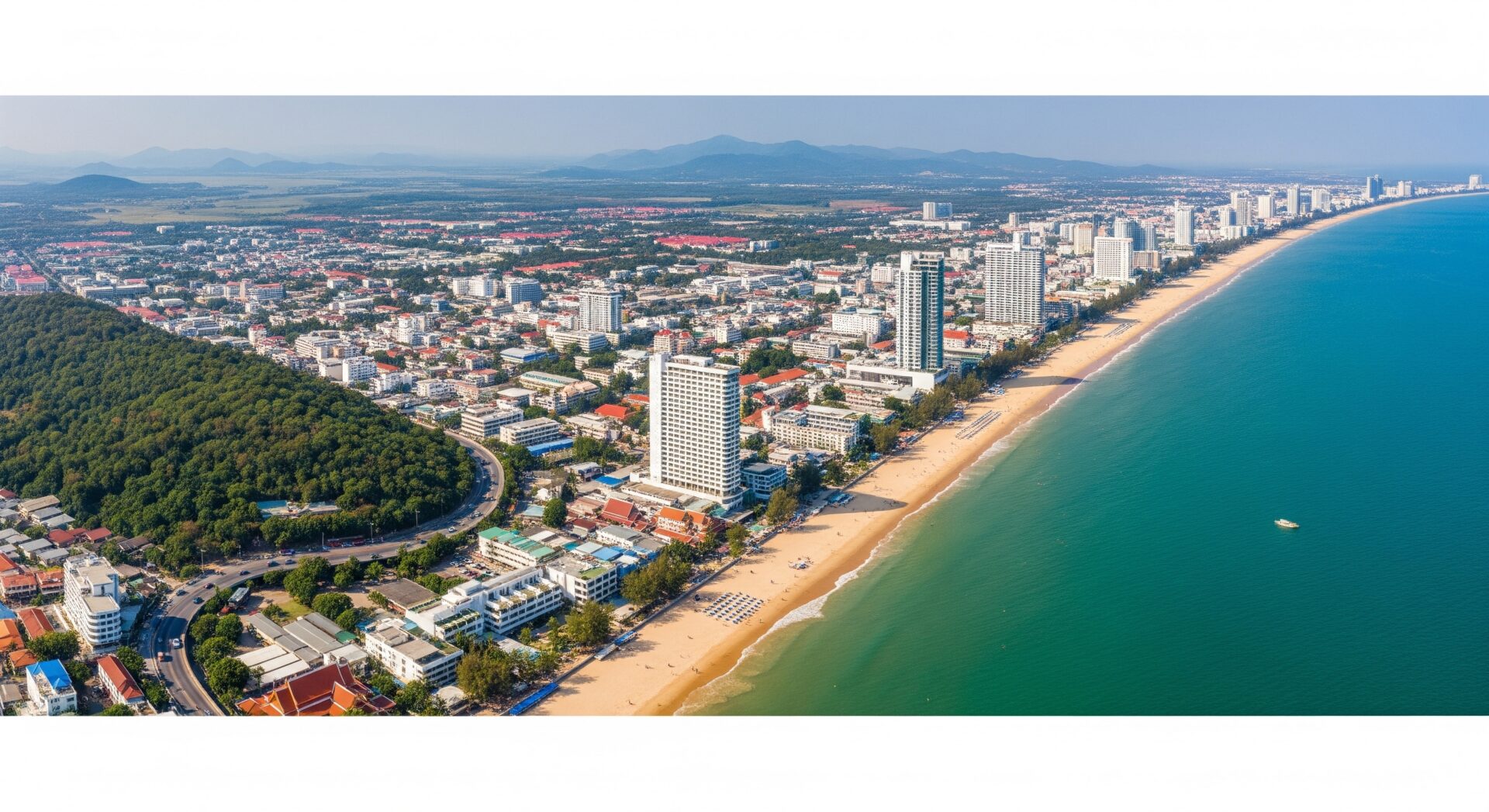




Phitsanulok, located in the heart of Central Thailand, is a city that is rich in history, culture, and natural beauty. It is often referred to as the “Cultural Heartland” of the region due to its significant historical and cultural sites. Phitsanulok is situated on the banks of the Nan River and is surrounded by lush greenery and mountains, making it a picturesque destination for travelers.
The city has a long and storied history, dating back to ancient times. It was once a part of the Ayutthaya Kingdom, which was one of the most powerful kingdoms in Southeast Asia from the 14th to the 18th century. Phitsanulok played a crucial role in the Ayutthaya Kingdom as it served as a strategic location for trade and military purposes. It was also an important center for Buddhism and education during this time.
Exploring the Rich History of Phitsanulok: From Ancient Temples to Royal Palaces
One of the most famous historical sites in Phitsanulok is Wat Phra Si Rattana Mahathat, also known as Wat Yai. This temple is home to the famous Phra Buddha Chinnarat, one of the most revered Buddha images in Thailand. The image is believed to have been created during the Sukhothai period and is known for its exquisite craftsmanship and serene expression. Visitors can admire the beauty of the Buddha image and explore the temple grounds, which are adorned with intricate carvings and beautiful architecture.
Phitsanulok also played a significant role during the Sukhothai Kingdom, which preceded the Ayutthaya Kingdom. The city was once the capital of Sukhothai and was an important center for administration, religion, and culture. Many ancient temples and ruins can still be found in Phitsanulok, offering visitors a glimpse into the city’s rich history. Some notable temples include Wat Chedi Yod Thong, Wat Nang Phaya, and Wat Chula Manee.
The Royal Palace, also known as Wang Chan Palace, is another important historical site in Phitsanulok. It was built during the reign of King Naresuan the Great, who is considered one of Thailand’s greatest kings. The palace served as a residence for the king and his family and was also used for important ceremonies and events. Today, visitors can explore the palace grounds and learn about the life and achievements of King Naresuan.
Discovering the Natural Beauty of Phitsanulok: National Parks, Waterfalls, and More
Phitsanulok is not only rich in history and culture but also boasts stunning natural beauty. The city is surrounded by national parks, mountains, and waterfalls, offering visitors plenty of opportunities to explore the great outdoors.
Phu Hin Rong Kla National Park is one of the most popular natural attractions in Phitsanulok. The park is known for its scenic views, lush forests, and diverse wildlife. Visitors can hike through the park’s trails, go camping, or simply enjoy the peaceful atmosphere. The park is also home to historical sites related to the Communist Party of Thailand, making it an interesting destination for history enthusiasts.
Kaeng Sopha Waterfall is another must-visit attraction in Phitsanulok. This beautiful waterfall is located in Kaeng Sopha Wildlife Sanctuary and offers a refreshing escape from the city. Visitors can swim in the crystal-clear waters or simply relax and enjoy the natural surroundings. Other natural attractions in Phitsanulok include Sai Thong National Park, Phu Soi Dao National Park, and Wang Thong River.
Getting a Taste of Phitsanulok: Local Cuisine and Traditional Markets
No trip to Phitsanulok would be complete without trying the local cuisine. The city is known for its delicious dishes, which are a blend of Thai and Northern Thai flavors. One of the most popular dishes in Phitsanulok is khao soi, a rich and flavorful curry noodle soup. Another must-try dish is kaeng kari, a fragrant yellow curry that is often served with roti.
To experience the vibrant food scene in Phitsanulok, visitors can explore the night markets and street food stalls that are scattered throughout the city. These markets offer a wide variety of local dishes, snacks, and desserts. Some popular night markets include Naresuan University Night Market, Wat Mai Night Market, and Wat Ratchaburana Night Market.
For a more traditional shopping experience, visitors can visit the traditional markets in Phitsanulok. Talat Mai and Talat Ton Pho are two of the most famous markets in the city. These markets offer a wide range of fresh produce, local products, and handicrafts. Visitors can browse through the stalls, sample local snacks, and purchase souvenirs to take home.
Uncovering the Art and Handicrafts of Phitsanulok: Silk Weaving, Pottery, and Wood Carving
Phitsanulok is known for its rich artistic heritage and traditional crafts. One of the most famous crafts in the city is silk weaving. Phitsanulok silk is renowned for its high quality and intricate designs. Visitors can visit silk weaving villages in Phitsanulok to see the process of silk production and purchase handmade silk products.
In addition to silk weaving, Phitsanulok is also known for its pottery and wood carving. The city has a long history of producing beautiful pottery, which is often adorned with intricate patterns and designs. Visitors can visit pottery workshops and learn about the process of pottery making. Wood carving is another traditional craft in Phitsanulok, with artisans creating intricate sculptures and decorative items. Visitors can watch wood carvers at work and purchase handmade wood carvings as souvenirs.
Experiencing the Festivals and Celebrations of Phitsanulok: Loy Krathong, Songkran, and More

Phitsanulok is a city that loves to celebrate, and visitors have the opportunity to experience a variety of festivals and celebrations throughout the year. One of the most popular festivals in Phitsanulok is Loy Krathong, which takes place on the full moon night of the 12th lunar month (usually in November). During this festival, people gather near rivers, lakes, and other bodies of water to float krathongs, which are small lotus-shaped baskets made from banana leaves. The krathongs are decorated with flowers, candles, and incense sticks, and are floated on the water as a way to pay respect to the water goddess.
Another popular festival in Phitsanulok is Songkran, which is the Thai New Year celebration. Songkran is known for its water fights, where people splash water on each other as a way to cleanse and purify themselves for the new year. The festival is celebrated with great enthusiasm in Phitsanulok, with locals and tourists alike joining in the fun.
Learning about Buddhism in Phitsanulok: Monasteries, Meditation, and Spiritual Practices
Buddhism plays a significant role in the culture and daily life of Phitsanulok. The city is home to several important monasteries where visitors can learn about Buddhism and participate in spiritual practices.
Wat Phra Sri Rattana Mahathat, also known as Wat Yai, is not only a historical site but also a center for Buddhist meditation. The temple offers meditation retreats and courses for both beginners and experienced practitioners. Visitors can learn about the principles of Buddhism, practice meditation, and experience the peaceful atmosphere of the temple.
Other important monasteries in Phitsanulok include Wat Nang Phaya, Wat Chula Manee, and Wat Ratchaburana. These monasteries offer opportunities for visitors to learn about Buddhist teachings, participate in religious ceremonies, and interact with monks.
Meeting the People of Phitsanulok: Rural Villages, Hill Tribes, and City Life
Phitsanulok is a city that is home to a diverse population, including rural villagers, hill tribes, and city dwellers. Visitors have the opportunity to meet and interact with the people of Phitsanulok to learn about their way of life and culture.
One way to experience rural life in Phitsanulok is by visiting the rural villages that surround the city. These villages offer a glimpse into traditional Thai village life, with locals engaging in farming, handicraft production, and other traditional activities. Visitors can participate in village tours, homestays, and cultural exchange programs to learn about the customs and traditions of the local communities.
Phitsanulok is also home to several hill tribe communities, including the Karen and Hmong tribes. These tribes have their own unique cultures, languages, and traditions. Visitors can visit hill tribe villages to learn about their way of life, purchase handmade crafts, and support sustainable tourism initiatives.
In addition to rural villages and hill tribes, Phitsanulok also offers a vibrant city life. Visitors can explore the bustling markets, dine at local restaurants, and interact with the friendly locals. The people of Phitsanulok are known for their warm hospitality and welcoming nature, making it a memorable experience for visitors.
Exploring the Surrounding Areas of Phitsanulok: Sukhothai, Uttaradit, and More
Phitsanulok is located in close proximity to several other cities and attractions, making it an ideal base for day trips and excursions. One of the most popular day trips from Phitsanulok is to Sukhothai Historical Park, which is a UNESCO World Heritage Site. Sukhothai was the capital of the Sukhothai Kingdom and is known for its ancient ruins and historical sites. Visitors can explore the park by bicycle or on foot and marvel at the well-preserved temples, statues, and other structures.
Uttaradit is another nearby city that is worth a visit. The city is known for its cultural heritage and historical sites. Visitors can explore attractions such as Wat Phra Thaen Sila At, which houses ancient Buddha images, and Ban Khok Kong, a traditional Thai village that specializes in traditional crafts.
Other nearby attractions include Si Satchanalai Historical Park, which is another UNESCO World Heritage Site, and Phu Soi Dao Waterfall, which offers stunning views and opportunities for hiking.
Planning Your Trip to Phitsanulok: Accommodations, Transportation, and Must-See Attractions
When planning a trip to Phitsanulok, there are several factors to consider, including accommodations, transportation, and must-see attractions.
Phitsanulok offers a range of accommodations to suit every budget and preference. Visitors can choose from luxury hotels, boutique guesthouses, and budget-friendly hostels. Some popular accommodations in Phitsanulok include Topland Hotel & Convention Centre, Amarin Lagoon Hotel, and Pailyn Hotel.
In terms of transportation, Phitsanulok is easily accessible by both air and land. The city has its own airport, Phitsanulok Airport, which offers domestic flights to and from Bangkok. Alternatively, visitors can take a bus or train from Bangkok to Phitsanulok, which takes approximately 5-6 hours.
When it comes to must-see attractions in Phitsanulok, Wat Phra Si Rattana Mahathat and the Royal Palace are at the top of the list. These historical sites offer a glimpse into the city’s rich history and cultural heritage. Other must-see attractions include Phu Hin Rong Kla National Park, Kaeng Sopha Waterfall, and the traditional markets in the city.
To make the most of your trip to Phitsanulok, it is recommended to plan ahead and allocate enough time to explore the city and its surrounding areas. Whether you are interested in history, culture, nature, or food, Phitsanulok has something to offer for every traveler.
FAQs
What is Phitsanulok?
Phitsanulok is a province in Thailand located in the northern part of the country. It is also the name of the province’s capital city.
What is the population of Phitsanulok?
As of 2021, the population of Phitsanulok province is approximately 1.4 million people, while the population of the city of Phitsanulok is around 85,000 people.
What is the climate like in Phitsanulok?
Phitsanulok has a tropical savanna climate, with hot and humid weather throughout the year. The average temperature is around 28°C (82°F), with the hottest months being March to May.
What are some popular tourist attractions in Phitsanulok?
Phitsanulok is known for its historical and cultural sites, including the Wat Phra Si Rattana Mahathat temple, the Phitsanulok Night Bazaar, and the Sgt. Maj. Thawee Folk Museum. The province is also home to several national parks, such as the Phu Hin Rong Kla National Park and the Thung Salaeng Luang National Park.
What is the economy of Phitsanulok based on?
The economy of Phitsanulok is primarily based on agriculture, with rice being the main crop. The province also has a growing manufacturing sector, particularly in the production of automotive parts and electronics. Tourism is also an important industry in Phitsanulok.