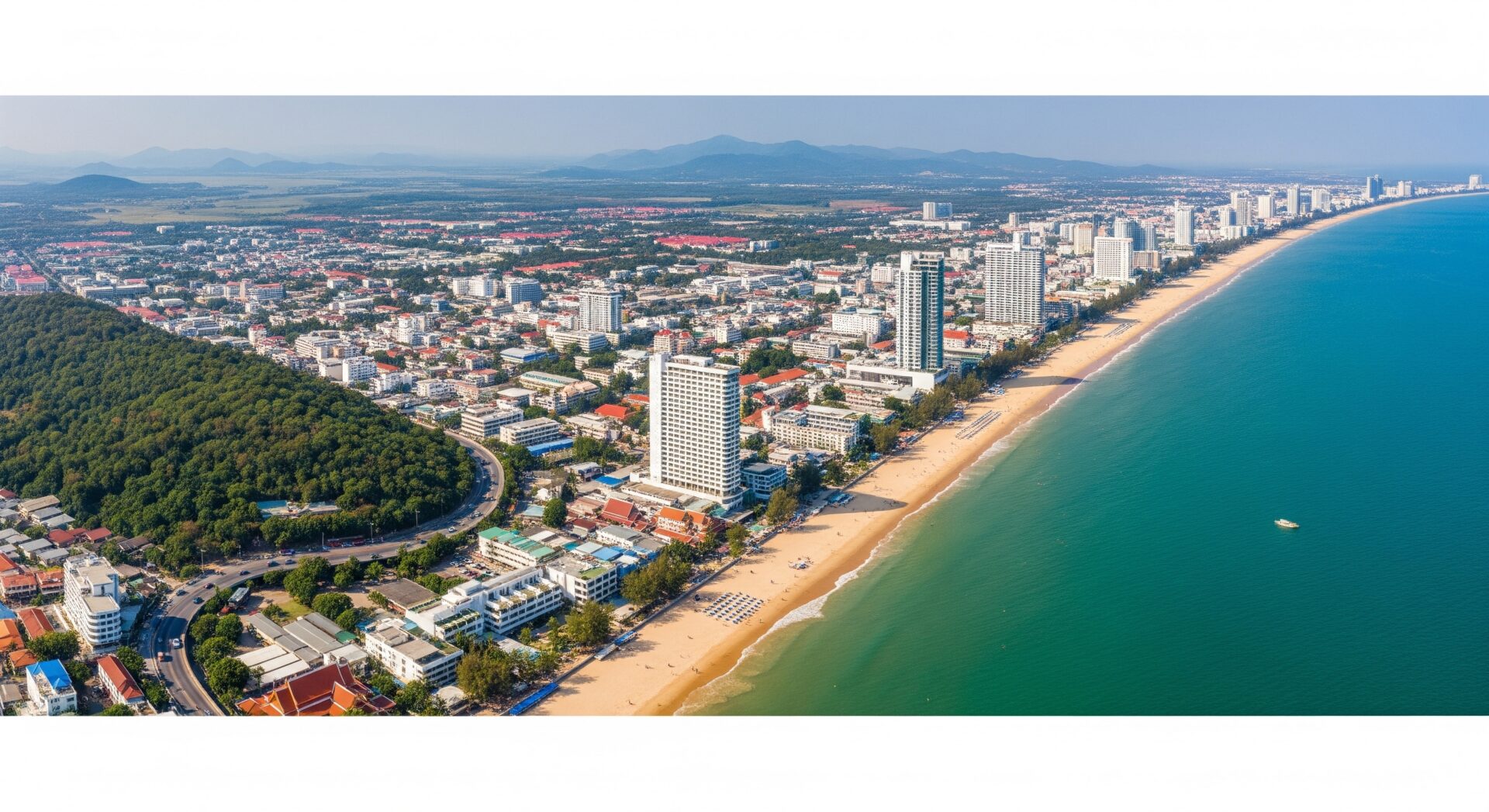


Thailand, officially the Kingdom of Thailand, is a Southeast Asian country known for its rich cultural heritage. Thai culture is a complex amalgamation of indigenous traditions and influences from neighboring countries, resulting in a diverse and distinctive national identity. This cultural tapestry is evident in various aspects of daily life, including clothing, festivals, and social customs.
A significant element of Thai culture is the concept of “sanuk,” which emphasizes enjoyment and fun in daily activities. This philosophy permeates Thai society and is reflected in the country’s approach to food, music, and traditional arts. The emphasis on sanuk contributes to Thailand’s reputation for hospitality and its popularity as a tourist destination.
Thai cultural traditions are deeply rooted in history and continue to play a vital role in modern society. These traditions encompass a wide range of practices, including religious ceremonies, traditional dance, and culinary arts. The preservation and celebration of these cultural elements are sources of national pride and contribute to Thailand’s unique cultural landscape.
Key Takeaways
- Thailand’s cultural traditions are deeply rooted in Buddhism and have been influenced by neighboring countries and global trade.
- Thai cuisine is known for its balance of flavors and use of fresh ingredients, with dishes like pad Thai and green curry being popular worldwide.
- Traditional Thai performing arts include classical dance, shadow puppetry, and traditional music, showcasing the country’s rich artistic heritage.
- Thai festivals and celebrations, such as Songkran and Loy Krathong, are vibrant and colorful events that reflect the country’s cultural diversity and religious beliefs.
- Traditional Thai crafts and art, including silk weaving, pottery, and wood carving, are highly valued for their intricate designs and skilled craftsmanship, contributing to the country’s cultural identity.
Thai Cuisine and Culinary Traditions
The Balance of Flavors
The balance of sweet, sour, salty, and spicy flavors is a hallmark of Thai cuisine, and it is achieved through the skillful use of ingredients such as fish sauce, palm sugar, and chili peppers. The result is a culinary experience that is both complex and harmonious, with each dish offering a symphony of flavors.
Cultural Diversity and Regional Traditions
In addition to its delicious flavors, Thai cuisine also reflects the cultural diversity of the country. The influence of neighboring countries such as China, India, and Malaysia can be seen in dishes such as pad thai, green curry, and tom yum soup. Each region of Thailand also has its own unique culinary traditions, with dishes that are specific to that area. For example, the northern region is known for its use of herbs and spices, while the southern region is famous for its spicy curries and seafood dishes.
The Importance of Food in Thai Culture
The importance of food in Thai culture is evident in the saying “gin khao” which means “to eat rice,” highlighting the central role that food plays in the daily lives of the Thai people.
Traditional Thai Performing Arts

Traditional Thai performing arts are an integral part of Thailand’s cultural heritage and have been passed down through generations. These art forms encompass a wide range of disciplines, including dance, music, and theater, and are deeply rooted in Thai history and mythology. One of the most well-known forms of traditional Thai performing arts is Khon, a classical dance-drama that depicts episodes from the Ramakien, the Thai adaptation of the Indian epic Ramayana.
Khon performances are characterized by elaborate costumes, intricate choreography, and expressive facial expressions, making it a visually stunning art form. Another important aspect of traditional Thai performing arts is classical Thai music, which includes instruments such as the khim (a hammered dulcimer), ranat (a xylophone), and pi (a flute). Traditional Thai music is often accompanied by dance performances, creating a seamless blend of music and movement that is both captivating and evocative.
In addition to these classical art forms, Thailand also has a rich tradition of folk music and dance, which vary from region to region and reflect the unique cultural heritage of each area. Whether it’s the graceful movements of Khon dancers or the rhythmic beats of traditional Thai music, traditional Thai performing arts are a vibrant expression of the country’s cultural identity.
Thai Festivals and Celebrations
| Festival/Celebration | Date | Description |
|---|---|---|
| Songkran | April 13-15 | Thai New Year festival known for water fights and water splashing to symbolize washing away the past year’s misfortunes. |
| Loi Krathong | November | Also known as the “Festival of Lights”, where people float decorated baskets on water to pay respect to the goddess of water. |
| Vegetarian Festival | October | Observed by Chinese-Thai communities, featuring strict vegetarian diets and various rituals to purify the body and mind. |
Thailand is home to a wide variety of festivals and celebrations that are an integral part of its cultural traditions. These festivals are often rooted in religious or agricultural traditions and are celebrated with great enthusiasm and joy. One of the most important festivals in Thailand is Songkran, the Thai New Year, which is celebrated with water fights and street parties across the country.
Songkran is a time for cleansing and renewal, and it is marked by the pouring of scented water over Buddha statues and the hands of elders as a sign of respect. Another significant festival in Thailand is Loy Krathong, also known as the Festival of Lights, which takes place on the full moon night of the twelfth lunar month. During this festival, people release decorated floating baskets into rivers and waterways as a way to pay homage to the goddess of water and to symbolically let go of past misfortunes.
The sight of thousands of glowing krathongs floating on the water is a breathtaking spectacle that captures the beauty and spirituality of Thai culture. In addition to these major festivals, Thailand also celebrates numerous regional festivals that showcase local traditions and customs, such as the Phi Ta Khon festival in Loei province and the Yi Peng lantern festival in Chiang Mai. These festivals are a testament to the diversity and richness of Thailand’s cultural heritage.
Traditional Thai Crafts and Art
Traditional Thai crafts and art have been an integral part of Thai culture for centuries and continue to thrive in modern-day Thailand. From intricate wood carvings to delicate silk textiles, traditional Thai crafts are known for their exquisite craftsmanship and attention to detail. One of the most iconic examples of traditional Thai crafts is the art of Thai silk weaving, which has been practiced for over 700 years.
Thai silk is renowned for its lustrous sheen and vibrant colors, and it is often used to create traditional garments such as sarongs and shawls. In addition to textiles, Thailand is also famous for its traditional pottery, ceramics, and wood carvings. The intricate designs and patterns found in Thai pottery reflect the country’s rich artistic heritage and are often inspired by nature and Buddhist motifs.
Wood carving is another traditional craft that has been passed down through generations, with artisans creating elaborate sculptures and decorative items using traditional carving techniques. These traditional crafts not only serve as a source of income for many communities in Thailand but also play a vital role in preserving the country’s cultural heritage for future generations.
Thai Religious Traditions and Beliefs
The Importance of Merit-Making
One of the most significant Buddhist rituals in Thailand is merit-making, which involves offering food, flowers, and other items to monks as a way to accumulate good karma. This practice is deeply ingrained in Thai society and reflects the importance of generosity and compassion in Buddhist teachings.
Religious Diversity in Thailand
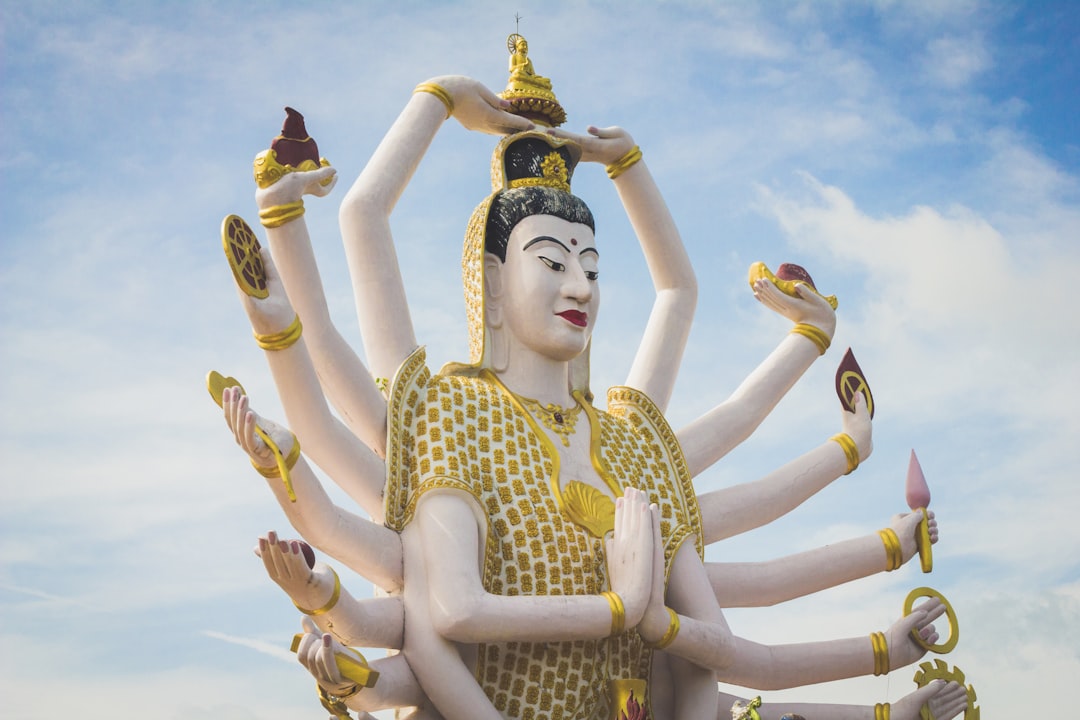
In addition to Buddhism, Thailand is home to a diverse range of religious beliefs and practices, including Hinduism, Islam, and animism. This diversity is reflected in the numerous temples, shrines, and religious monuments that can be found throughout the country.
A Symbol of Thailand’s Religious Heritage
One of the most iconic symbols of Thailand’s religious heritage is the grand palace complex in Bangkok, which houses the revered Emerald Buddha statue and serves as a center for royal ceremonies and religious rituals. Whether it’s participating in Buddhist ceremonies or visiting sacred sites, religion plays a significant role in shaping the cultural identity of Thailand.
Preserving and Promoting Thailand’s Cultural Heritage
In recent years, there has been a growing effort to preserve and promote Thailand’s cultural heritage through various initiatives and programs. The Thai government has recognized the importance of safeguarding its cultural traditions and has implemented measures to support traditional crafts, performing arts, and religious practices. This includes providing funding for cultural preservation projects, establishing cultural heritage sites, and promoting traditional art forms through festivals and events.
In addition to government efforts, there are also numerous non-profit organizations and community groups dedicated to preserving Thailand’s cultural heritage. These organizations work to document traditional practices, provide training for artisans and performers, and raise awareness about the importance of preserving cultural traditions. Furthermore, there has been an increased focus on promoting cultural tourism in Thailand, with initiatives aimed at showcasing traditional crafts, performing arts, and religious sites to both domestic and international visitors.
Overall, Thailand’s cultural traditions are an integral part of its national identity and continue to thrive in modern-day Thailand. From its vibrant culinary traditions to its rich performing arts and religious practices, Thailand’s cultural heritage is a source of pride for its people and a source of fascination for visitors from around the world. By preserving and promoting these traditions, Thailand ensures that its rich cultural heritage will continue to be celebrated for generations to come.
If you’re interested in learning more about the vibrant culture and traditions of Thailand, you should check out the article “Discovering the Wonders of Bangkok: Exploring the Vibrant Capital City of Krung Thep Maha Nakhon” on de2dehelft.nl. This article provides a fascinating insight into the rich history and traditions of Bangkok, offering a glimpse into the unique customs and practices that make Thailand such a captivating destination.
FAQs
What are some traditional Thai customs and etiquette?
Some traditional Thai customs and etiquette include greeting others with a “wai” (a slight bow with the palms pressed together), removing shoes before entering someone’s home or a temple, and showing respect to elders and those in positions of authority.
What are some important cultural festivals in Thailand?
Some important cultural festivals in Thailand include Songkran (Thai New Year), Loy Krathong (festival of lights), and the Phi Ta Khon festival (ghost festival). These festivals often involve traditional rituals, parades, and colorful celebrations.
What are some traditional Thai arts and crafts?
Traditional Thai arts and crafts include intricate Thai silk weaving, delicate porcelain and ceramic pottery, elaborate wood carving, and the unique art of Thai fruit and vegetable carving.
What are some traditional Thai dishes and dining customs?
Traditional Thai dishes include pad Thai, green curry, tom yum soup, and mango sticky rice. Dining customs often involve sharing dishes family-style, using a spoon and fork (or hands) for eating, and showing respect for the elders at the table.
What are some traditional Thai dances and performances?
Traditional Thai dances and performances include the graceful and elegant “khon” (classical masked dance), the lively and colorful “ram muay” (Thai boxing dance), and the energetic “luk thung” (Thai country music and dance). These performances often showcase the rich cultural heritage of Thailand.