


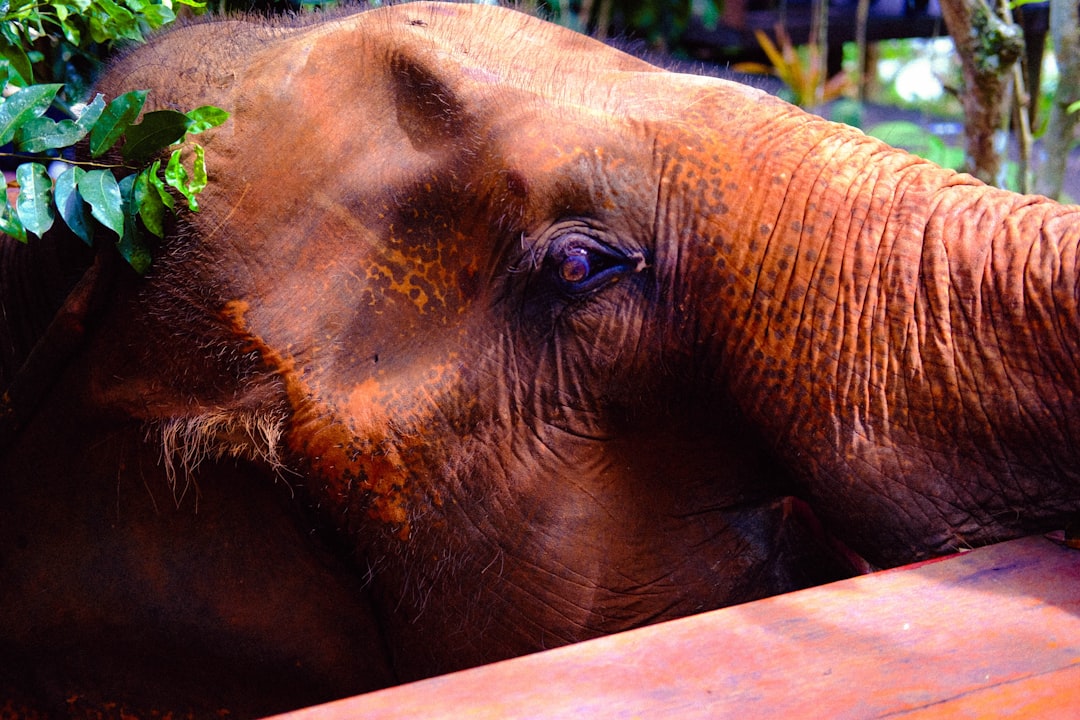
Thailand is renowned for its diverse wildlife and extensive network of nature reserves, which complement its cultural heritage and popular tourist attractions. The country’s varied ecosystems, including tropical forests, coastal areas, and mountainous regions, support a wide array of plant and animal species. Notable wildlife includes elephants, tigers, numerous bird species, and various reptiles.
Thailand’s commitment to conservation and eco-tourism has made it an increasingly popular destination for nature enthusiasts and wildlife observers. The country’s nature reserves and national parks play a crucial role in preserving Thailand’s natural heritage. These protected areas encompass diverse ecosystems such as rainforests, mangrove swamps, mountain ranges, and wetlands.
Visitors can explore these varied landscapes and observe indigenous wildlife in their natural habitats. Activities available to nature enthusiasts include jungle trekking, birdwatching in wetland areas, and exploring marine ecosystems through diving and snorkeling. Thailand’s natural areas offer immersive experiences for those interested in biodiversity and outdoor activities.
Key Takeaways
- Thailand is home to diverse wildlife and nature reserves, making it a popular destination for nature enthusiasts and wildlife lovers.
- The country’s wildlife includes a wide range of species, from elephants and tigers to rare birds and marine life, making it a biodiversity hotspot.
- Some of the top nature reserves to explore in Thailand include Khao Yai National Park, Doi Inthanon National Park, and Mu Ko Ang Thong National Park.
- Conservation efforts in Thailand focus on protecting endangered species, preserving natural habitats, and promoting sustainable ecotourism.
- Thailand’s unique flora and fauna include the Rafflesia flower, the Siamese crocodile, and the Malayan tapir, offering visitors a chance to see rare and exotic species in their natural habitat.
The Diversity of Wildlife in Thailand
Iconic Mammals of Thailand
Some of the most iconic species found in Thailand include the Asian elephant, Indochinese tiger, gibbon, leopard, and clouded leopard. These majestic creatures are just a few examples of the many mammals that call Thailand home.
A Birdwatcher’s Paradise
In addition to its impressive mammalian diversity, Thailand is also a haven for birdwatchers. The country boasts over 1,000 bird species, including colorful kingfishers, majestic hornbills, and elusive pittas. Birdwatching enthusiasts can explore the country’s diverse habitats, from mangrove forests to highland montane forests, in search of these avian treasures.
Reptiles and Amphibians of Thailand
Thailand’s reptile and amphibian populations are equally impressive, with a wide variety of snakes, lizards, frogs, and turtles inhabiting the country’s forests and wetlands. With such a rich tapestry of wildlife, Thailand offers endless opportunities for wildlife enthusiasts to observe and appreciate the natural world.
Top Nature Reserves to Explore in Thailand
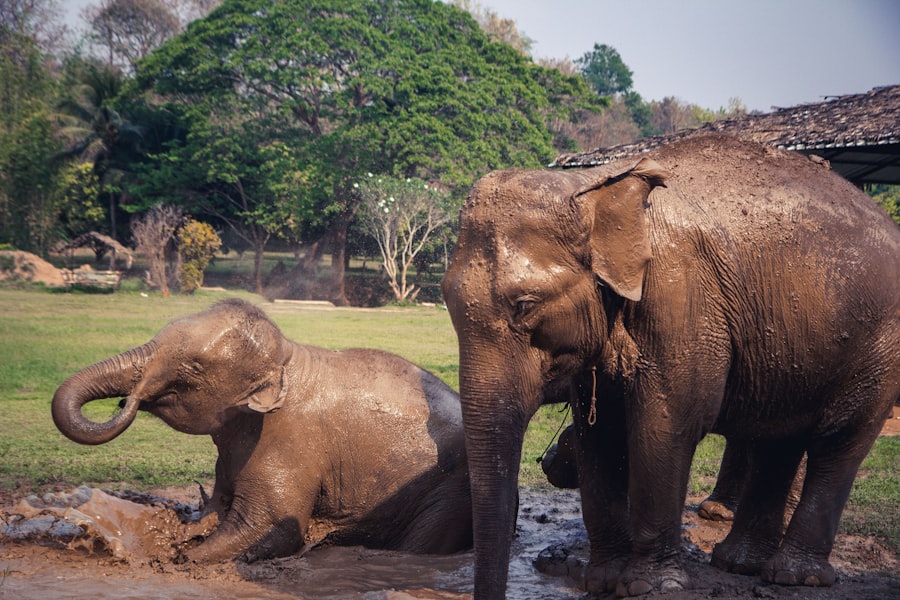
Thailand is home to numerous nature reserves and national parks that offer visitors the chance to experience the country’s diverse wildlife and natural beauty. One of the most famous reserves is Khao Yai National Park, located just a few hours’ drive from Bangkok. This UNESCO World Heritage site is one of the largest and oldest national parks in Thailand, encompassing dense forests, grasslands, and waterfalls.
Visitors to Khao Yai can spot a variety of wildlife, including elephants, gibbons, macaques, and even the occasional leopard. The park also offers excellent birdwatching opportunities, with over 300 bird species recorded within its boundaries. Another must-visit nature reserve in Thailand is Kaeng Krachan National Park, the country’s largest national park.
Located in the western part of Thailand near the border with Myanmar, Kaeng Krachan is known for its diverse habitats, including tropical rainforests, rivers, and reservoirs. The park is home to an impressive array of wildlife, including elephants, leopards, barking deer, and over 400 bird species. Visitors can explore the park’s trails, go on boat trips along its rivers, or even camp overnight to fully immerse themselves in its natural wonders.
Conservation Efforts and Initiatives in Thailand
| Initiative | Description | Impact |
|---|---|---|
| Thai Elephant Conservation Center | Aims to protect and conserve the Thai elephant population through education and research. | Increased awareness and protection of Thai elephants. |
| Marine Conservation Projects | Focuses on preserving marine ecosystems and endangered species in Thailand’s coastal areas. | Improved marine biodiversity and sustainable fishing practices. |
| Community-Based Conservation | Involves local communities in conservation efforts to protect natural resources and wildlife. | Empowerment of local communities and preservation of traditional knowledge. |
Thailand has made significant strides in conservation efforts and initiatives to protect its natural heritage and wildlife. The country has established a network of protected areas, including national parks, wildlife sanctuaries, and marine parks, to safeguard its diverse ecosystems. These protected areas play a crucial role in preserving critical habitats for endangered species and providing refuge for wildlife populations.
In addition to protected areas, Thailand has also implemented various conservation programs aimed at addressing threats such as habitat loss, poaching, and illegal wildlife trade. One notable conservation success story in Thailand is the reintroduction of captive-bred gaur (Indian bison) into the wild. The gaur is the largest bovine species in the world and was once widespread throughout Southeast Asia.
However, due to habitat loss and hunting, gaur populations have declined significantly. In an effort to reverse this trend, conservation organizations in Thailand have successfully reintroduced captive-bred gaur into protected areas such as Huai Kha Khaeng Wildlife Sanctuary. These efforts have helped bolster gaur populations in the wild and contribute to the overall conservation of this iconic species.
Unique Flora and Fauna of Thailand
Thailand’s diverse ecosystems are home to a wide variety of unique flora and fauna that are found nowhere else in the world. The country’s tropical rainforests are particularly rich in plant diversity, with thousands of species of trees, orchids, and ferns. One of the most iconic plants found in Thailand is the Rafflesia arnoldii, also known as the “corpse flower.” This rare and unusual plant produces the largest individual flower in the world and emits a foul odor resembling rotting flesh to attract pollinators.
In addition to its unique plant life, Thailand is also home to a number of endemic animal species that are found exclusively within its borders. One such example is the Siamese crocodile, a critically endangered species that was once widespread throughout Southeast Asia. Today, the Siamese crocodile is only found in a few isolated populations in Thailand and Cambodia.
Conservation efforts are underway to protect this rare reptile and ensure its survival in the wild.
Wildlife Viewing and Ecotourism in Thailand
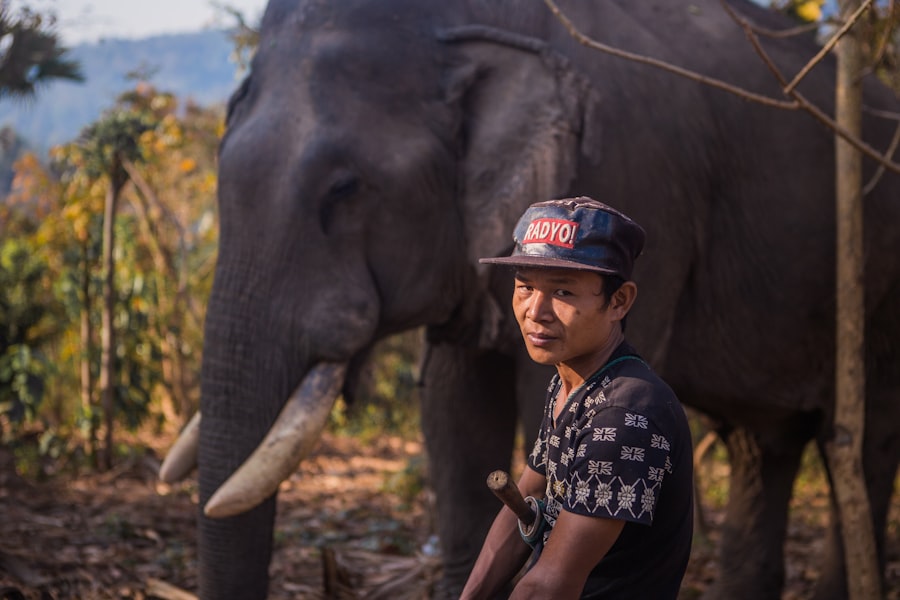
Responsible Tourism Practices
Many tour operators and lodges in Thailand are committed to sustainable tourism practices that minimize environmental impact and support local communities.
Elephant Trekking and Conservation
One popular ecotourism activity in Thailand is elephant trekking, which allows visitors to observe these majestic creatures in their natural habitat while supporting ethical elephant sanctuaries. These sanctuaries provide a safe haven for rescued elephants and promote responsible interactions between humans and elephants.
Interactive Experiences with Elephants
Visitors can learn about elephant conservation efforts, participate in feeding and bathing activities, and even embark on guided walks with these gentle giants.
Tips for Responsible Wildlife Exploration in Thailand
When exploring Thailand’s wildlife and nature reserves, it’s important to do so responsibly to minimize impact on the environment and wildlife. Here are some tips for responsible wildlife exploration in Thailand: 1. Respect wildlife: Observe animals from a safe distance and avoid approaching or disturbing them.
2.
Follow park rules: Abide by park regulations and guidelines to protect sensitive habitats and wildlife.
3. Support conservation: Choose eco-friendly tour operators and accommodations that prioritize sustainability and support local conservation initiatives.
4. Avoid single-use plastics: Minimize plastic waste by bringing reusable water bottles and bags.
5.
Educate yourself: Learn about the local flora and fauna before visiting nature reserves to better appreciate their significance.
6. Engage with local communities: Support local businesses and communities that rely on ecotourism for their livelihoods.
7. Leave no trace: Dispose of waste properly and leave natural areas as you found them.
By following these tips, visitors can enjoy meaningful wildlife experiences in Thailand while contributing to conservation efforts and preserving the country’s natural heritage for future generations.
If you’re interested in learning more about Thailand’s wildlife and nature reserves, you should check out this article on de2dehelft.nl. It provides valuable information on the diverse ecosystems and conservation efforts in the country. Additionally, you can also read about the vibrant capital city of Bangkok and its wonders in this article on de2dehelft.nl.
FAQs
What are some popular wildlife and nature reserves in Thailand?
Some popular wildlife and nature reserves in Thailand include Khao Yai National Park, Doi Inthanon National Park, Kaeng Krachan National Park, and Khao Sok National Park.
What kind of wildlife can be found in Thailand’s nature reserves?
Thailand’s nature reserves are home to a diverse range of wildlife, including elephants, tigers, gibbons, macaques, deer, bears, and a variety of bird species.
Are there any endangered species in Thailand’s nature reserves?
Yes, Thailand’s nature reserves are home to several endangered species, including the Indochinese tiger, Asian elephant, gaur, and the Siamese crocodile.
What activities can visitors do in Thailand’s wildlife and nature reserves?
Visitors to Thailand’s wildlife and nature reserves can enjoy activities such as hiking, bird watching, wildlife spotting, camping, and guided tours with experienced naturalists.
Are there any conservation efforts in place to protect Thailand’s wildlife and nature reserves?
Yes, Thailand has several conservation efforts in place to protect its wildlife and nature reserves, including anti-poaching measures, habitat restoration projects, and community-based conservation initiatives.