

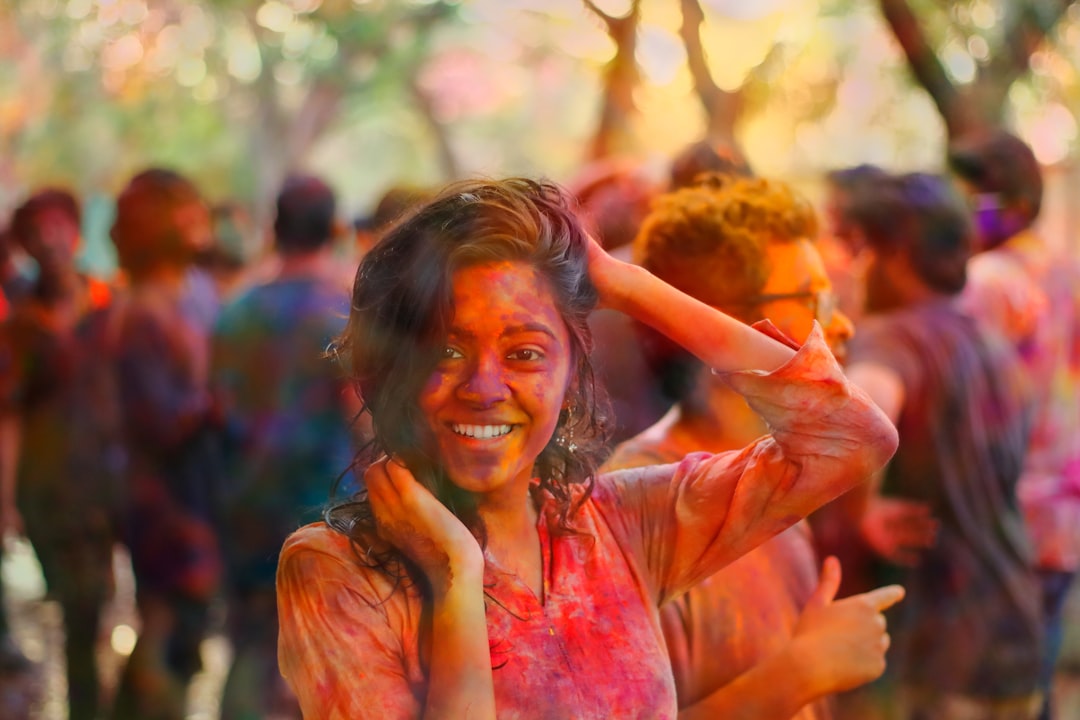
The Songkran Festival is Thailand’s traditional New Year celebration, occurring annually from April 13th to 15th. It is characterized by water-based activities, including ritualistic cleansing of Buddha statues and respectful pouring of water on monks’ hands. These practices symbolize purification and the washing away of past misfortunes.
The festival features widespread water fights, which serve both as a means of cooling off during the hot season and as a metaphorical cleansing ritual. Songkran is also a time for religious observances, with many Thais visiting temples to make merit and participate in traditional ceremonies. Family reunions are common during Songkran, as are displays of respect towards elders.
The festival includes parades, cultural performances, and other activities that showcase Thailand’s heritage. In recent years, Songkran has gained international recognition, attracting tourists who wish to experience this unique celebration. While Songkran is primarily associated with Thailand, it is also observed in other countries with significant Thai populations.
The festival combines elements of fun and revelry with deep cultural and spiritual significance, serving as a time for both celebration and reflection as people welcome the new year.
Key Takeaways
- Songkran Festival is Thailand’s New Year celebration and is known for its water fights and street parties.
- Loy Krathong Festival is a beautiful festival of lights where people release decorated baskets into the water to honor the goddess of water.
- Phi Ta Khon Festival is a unique ghost festival in Loei where people dress up in colorful ghost costumes and masks to ward off evil spirits.
- Elephant Festival celebrates Thailand’s national animal with parades, elephant shows, and even elephant soccer matches.
- Vegetarian Festival is a time for cleansing and purification where participants abstain from eating meat and perform rituals to bring good luck and health.
Loy Krathong Festival: The festival of lights
The Origins and Significance of Loy Krathong
The Loy Krathong Festival, also known as the “Festival of Lights,” is one of the most beautiful and enchanting festivals in Thailand. It takes place on the full moon night of the twelfth lunar month, usually in November. During this festival, people release small lotus-shaped rafts, known as “krathongs,” into rivers, canals, and lakes as a way of paying respect to the goddess of water, asking for forgiveness, and letting go of any negative energy or grudges from the past year.
A Festival of Lights and Colors
The krathongs are decorated with flowers, candles, and incense, creating a stunning display of lights that float along the waterways. In addition to releasing krathongs, the Loy Krathong Festival also features traditional performances, beauty contests, fireworks, and parades. The festival is a time for people to come together and celebrate the beauty of nature, express gratitude for the water that sustains life, and seek blessings for the future.
A Time for Love, Reflection, and Celebration
It is also a time for couples to make wishes for their love life by releasing krathongs together, symbolizing their commitment to each other. The Loy Krathong Festival is a magical and romantic celebration that captures the imagination and hearts of all who participate. The festival has become a popular tourist attraction, drawing visitors from around the world who want to witness the breathtaking sight of thousands of illuminated krathongs floating on the water. The festival is a time for reflection, gratitude, and letting go of negativity, as well as a celebration of the natural beauty and spiritual traditions of Thailand.
Phi Ta Khon Festival: The ghost festival of Loei

The Phi Ta Khon Festival, also known as the “Ghost Festival,” is a unique and colorful celebration that takes place in the town of Loei in northeastern Thailand. The festival is held annually in June or July and is believed to bring good luck and prosperity to the community. During the Phi Ta Khon Festival, people dress up in elaborate ghost costumes made from colorful fabric and wear masks made from carved coconut shells or painted with intricate designs.
The festival features lively parades, traditional music and dance performances, and other cultural activities that showcase the rich heritage of the region. The Phi Ta Khon Festival is based on local folklore and legends surrounding the spirit world. According to tradition, the festival is held to commemorate a visit by Prince Vessantara, who was believed to have been reborn as a ghost before returning to his kingdom.
The festival is a time for people to come together and celebrate their cultural identity while also seeking blessings from the spirits for good fortune and prosperity. The colorful costumes and masks worn during the festival are believed to ward off evil spirits and bring good luck to those who participate. The Phi Ta Khon Festival has gained popularity as a tourist attraction in recent years, drawing visitors from around the world who want to witness the vibrant and lively atmosphere of the celebration.
The festival is a time for people to let go of their inhibitions and have fun while also honoring their cultural traditions and beliefs. It is a unique and fascinating experience that offers a glimpse into the rich folklore and spiritual practices of northeastern Thailand.
Elephant Festival: Celebrating Thailand’s national animal
| Year | Location | Number of Elephants | Activities |
|---|---|---|---|
| 2020 | Surin Province | 200 | Elephant parade, traditional elephant shows, cultural performances |
| 2019 | Surin Province | 180 | Elephant procession, elephant buffet, light and sound show |
| 2018 | Surin Province | 160 | Elephant breakfast, elephant talent show, elephant soccer |
The Elephant Festival is an annual event held in various parts of Thailand to celebrate the country’s national animal and raise awareness about elephant conservation. The festival features parades of decorated elephants, traditional performances, elephant rides, and educational activities about elephant care and welfare. The Elephant Festival is a time for people to come together and show their appreciation for these majestic creatures while also learning about the challenges they face in the wild.
In addition to showcasing the beauty and intelligence of elephants, the Elephant Festival also raises awareness about the importance of protecting their natural habitats and promoting responsible tourism practices. The festival is an opportunity for people to learn about the threats facing wild elephants, such as habitat loss, poaching, and human-wildlife conflict, and what they can do to help support conservation efforts. The Elephant Festival is not only a celebration of Thailand’s national animal but also a call to action to protect these iconic creatures for future generations.
The Elephant Festival has become a popular tourist attraction, drawing visitors from around the world who want to experience the unique cultural heritage of Thailand while also supporting elephant conservation efforts. The festival offers a chance for people to interact with elephants in a responsible and ethical manner, learn about their behavior and needs, and gain a deeper appreciation for these incredible animals. It is a joyful and educational celebration that highlights the importance of coexisting with wildlife and protecting our natural world.
Vegetarian Festival: A time for cleansing and purification
The Vegetarian Festival, also known as “Tesagan Gin Je,” is an annual event held in Thailand during the ninth lunar month of the Chinese calendar. The festival is celebrated by Thai-Chinese communities across the country and is a time for people to cleanse their bodies and minds through abstaining from meat and other stimulants. During the Vegetarian Festival, participants follow a strict vegetarian diet and engage in various rituals such as meditation, prayer, and acts of charity as a way of purifying themselves and seeking blessings for good health and fortune.
The Vegetarian Festival also features colorful processions, traditional performances, and elaborate ceremonies at Chinese temples where participants demonstrate their devotion through acts of self-mortification such as piercing their bodies with sharp objects or walking on hot coals. These extreme acts are believed to demonstrate spiritual strength and purity while also warding off evil spirits. The Vegetarian Festival is a time for people to come together in solidarity with their community, express their faith through acts of devotion, and seek blessings for themselves and their loved ones.
The Vegetarian Festival has gained popularity as a tourist attraction in recent years, drawing visitors from around the world who want to witness the unique cultural traditions and spiritual practices of Thailand’s Chinese communities. The festival offers a glimpse into the rich heritage of Thai-Chinese culture while also providing an opportunity for people to reflect on their own health and well-being. It is a time for self-reflection, purification, and coming together as a community to seek blessings for the future.
Yi Peng Festival: Chiang Mai’s lantern festival

The Significance of Lanterns
During Yi Peng, people release thousands of paper lanterns into the air as a way of making merit, expressing gratitude, and letting go of negativity from the past year. The lanterns are adorned with prayers or wishes written on them, symbolizing people’s hopes for good fortune in the future.
A Celebration of Unity and Gratitude
In addition to releasing lanterns, the Yi Peng Festival features traditional performances, cultural activities, and religious ceremonies at temples where participants make offerings to monks and seek blessings for themselves and their loved ones. The festival is a time for people to come together in unity, express their gratitude for their blessings, and seek guidance for the future.
A Romantic and Enchanting Experience
The Yi Peng Festival is a magical and romantic celebration that captures the imagination and hearts of all who take part in it. It is also a time for couples to make wishes for their love life by releasing lanterns together, symbolizing their commitment to each other. The festival offers a chance for people to experience the beauty and spirituality of Thai culture while also making their own wishes for good fortune. It is a truly enchanting experience that leaves a lasting impression on all who take part in it.
Bun Bang Fai Rocket Festival: The traditional rocket launching festival
The Bun Bang Fai Rocket Festival is an annual event held in northeastern Thailand as a way of celebrating the arrival of the rainy season and ensuring good harvests in the coming year. The festival features traditional rocket launching competitions where teams compete to see who can launch their homemade rockets highest into the sky. The rockets are made from bamboo tubes filled with gunpowder and are decorated with colorful designs or symbols believed to bring good luck.
In addition to rocket launching competitions, the Bun Bang Fai Rocket Festival also features traditional music and dance performances, parades, beauty contests, and other cultural activities that showcase the rich heritage of northeastern Thailand. The festival is a time for people to come together in unity, express their gratitude for nature’s bounty, and seek blessings for good fortune in the coming year. It is also believed that launching rockets into the sky will encourage rain clouds to form, bringing much-needed rainfall for crops.
The Bun Bang Fai Rocket Festival has gained popularity as a tourist attraction in recent years, drawing visitors from around the world who want to witness this unique cultural tradition while also experiencing the lively atmosphere of the celebration. The festival offers a chance for people to learn about traditional rocket making techniques, enjoy vibrant performances, and celebrate nature’s abundance with local communities. It is a joyful and festive celebration that highlights the deep connection between people’s lives and nature’s cycles.
In conclusion, Thailand’s festivals are vibrant celebrations that showcase the country’s rich cultural heritage while also providing opportunities for people to come together in unity, express gratitude for their blessings, seek blessings for good fortune in the future, and celebrate nature’s abundance with local communities. These festivals have gained popularity as tourist attractions in recent years due to their unique cultural traditions while also providing opportunities for visitors from around the world to experience Thailand’s lively atmosphere during these celebrations. Each festival offers its own unique experience that leaves lasting impressions on all who take part in them.
If you’re interested in learning more about the vibrant capital city of Bangkok and its festivals and events, check out this article on de2dehelft.nl. This article explores the wonders of Bangkok and provides insight into the cultural and vibrant events that take place in the city. It’s a great resource for anyone looking to immerse themselves in the rich traditions and celebrations of Thailand.
FAQs
What are some popular festivals and events in Thailand?
Some popular festivals and events in Thailand include Songkran (Thai New Year), Loy Krathong (Festival of Lights), Phi Ta Khon (Ghost Festival), and the Vegetarian Festival.
When do these festivals and events take place?
Songkran usually takes place in mid-April, Loy Krathong in November, Phi Ta Khon in June or July, and the Vegetarian Festival in September or October. However, exact dates may vary each year.
What are the main activities and traditions associated with these festivals and events?
Songkran is known for its water fights and cleansing rituals, Loy Krathong involves floating decorated baskets on water, Phi Ta Khon features colorful masks and parades, and the Vegetarian Festival includes strict vegetarian diets and various rituals.
Are these festivals and events celebrated nationwide in Thailand?
Yes, these festivals and events are celebrated nationwide in Thailand, with each region adding its own unique customs and traditions to the celebrations.
Are these festivals and events open to tourists and visitors?
Yes, these festivals and events are open to tourists and visitors, and they are a great way to experience Thai culture and traditions. However, it’s important to respect local customs and participate in a respectful manner.